If you rely on a private well in Langley, BC or the Fraser Valley, choosing the right well pump isn’t just a technical decision, it directly impacts your water pressure, reliability, and long-term costs. Whether you’re supplying a home, irrigating farmland, or running a commercial operation, the right pump ensures consistent water flow year-round.
This guide breaks down everything you need to know in a way that’s easy to understand, and optimized to help local homeowners and property owners make the right choice.
How a Well Pump Works
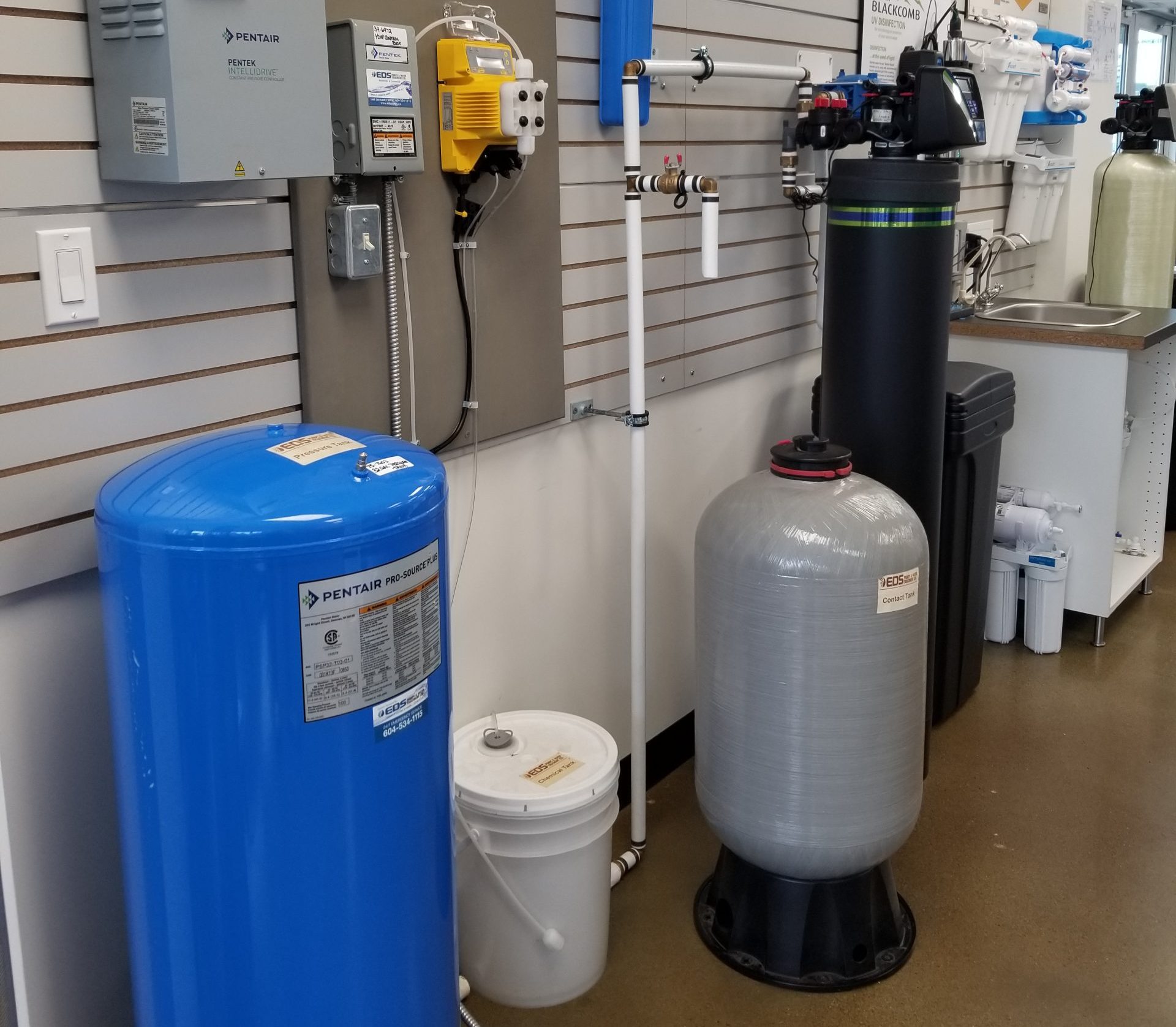
A well pump’s job is to move groundwater into your home or system under pressure. It works alongside a pressure tank to maintain steady water flow whenever you turn on a tap.
When water pressure drops (like when you shower or run irrigation), the pump turns on automatically and refills the system.
2 Main Types of Well Pumps
1. Submersible Well Pumps (Most Common in Langley)
Submersible pumps are installed inside your well, below the water level, and push water up to your home.
Submersible pumps are best for:
- Deep wells (over 25 feet)
- Most residential homes
- Farms with higher water demand
Why they’re popular:
- Quiet operation (they’re underground)
- Energy efficient
- Consistent performance at greater depths
In the Fraser Valley, where many wells are deep, this is usually the go-to solution.
2. Jet Pumps (Shallow & Deep Well Options)
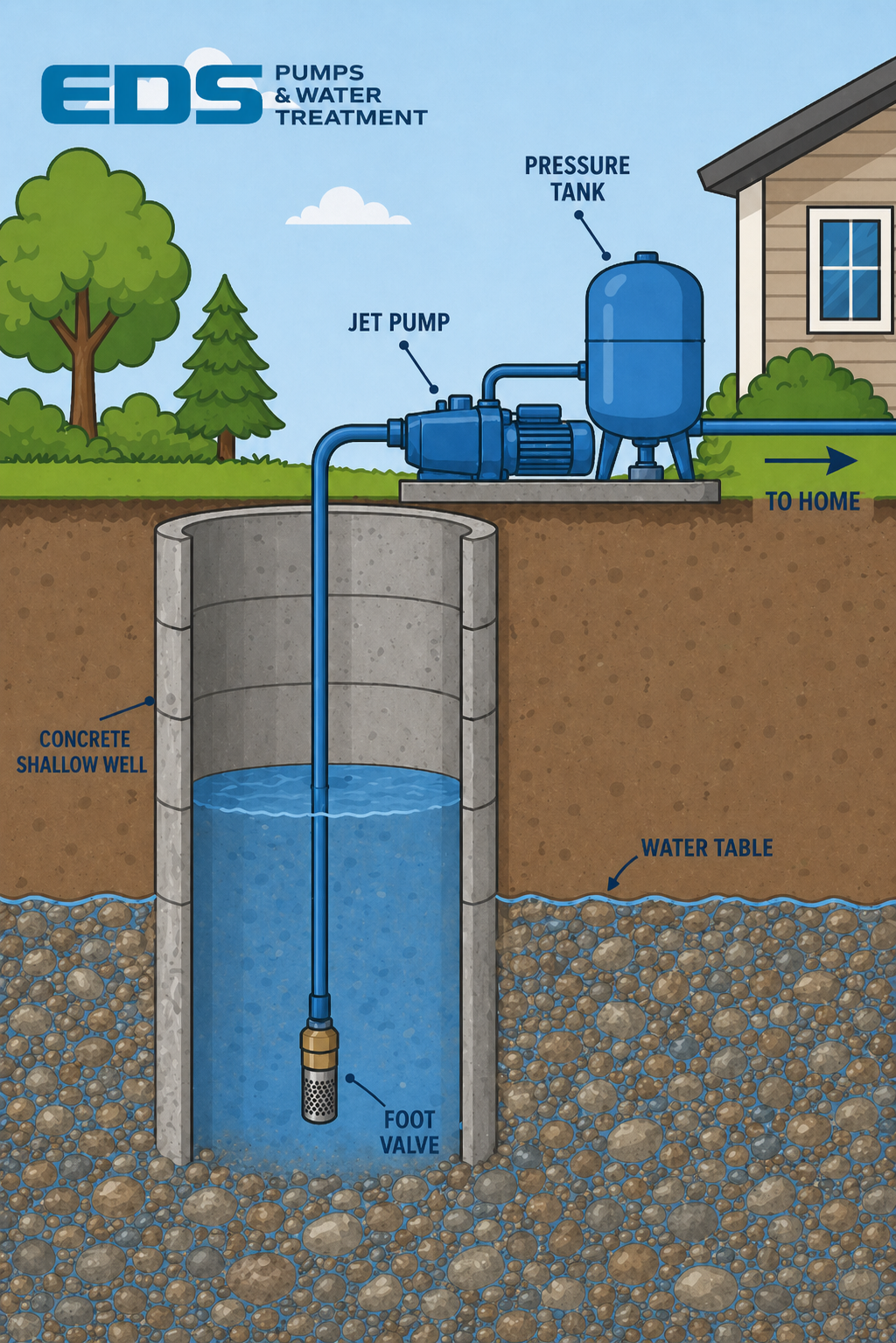
Jet pumps are installed above ground (usually in a basement or pump house) and pull water up using suction.
Types:
- Shallow well jet pump: up to 25 feet
- Deep well jet pump: up to 100 feet (less efficient at depth)
Best for:
- Older homes with shallow wells
- Situations where easy access for maintenance is important
Jet pumps are often chosen for their lower upfront cost and simpler setup, making them an attractive option for homeowners working within a budget. Because they’re installed above ground, they’re also easier to access and service when maintenance is needed. However, that convenience comes with a few trade-offs. Jet pumps tend to be noisier during operation and are generally less energy-efficient, especially as well depth increases, meaning they may not perform as reliably or cost-effectively in deeper well applications common in areas like Langley and the Fraser Valley.
Constant Pressure Systems (Modern Upgrade)
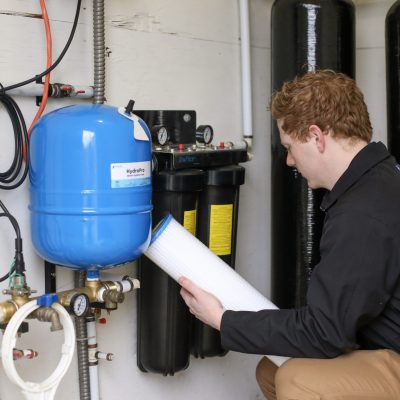
These systems use a variable frequency drive (VFD) to maintain steady, city-like water pressure.
Best for:
- Larger homes
- Acreages
- Irrigation systems
- Businesses with fluctuating water demand
The greatest advantage to a constant pressure system is that there will be little to no pressure drops when multiple plumbing fixtures are used at once. You could use the shower, while someone is watering the grass and be able to maintain water pressure.
Submersible vs Jet Pump: Quick Comparison
| Feature | Submersible Pump | Jet Pump |
|---|---|---|
| Location | Inside the well | Above ground |
| Best Depth | 25 ft – 500+ ft | Up to 100 ft |
| Efficiency | High | Lower |
| Noise | Quiet | Noisy |
| Lifespan | Longer | Shorter |
| Maintenance | Less frequent | Easier access |
At a glance, the choice comes down to your well depth and overall setup. For deeper wells, which are common in Langley and across the Fraser Valley, a submersible pump is typically the best option due to its efficiency and ability to deliver consistent pressure from greater depths. On the other hand, if you have a shallow well or are working with a tighter budget, a jet pump can still be a practical and cost-effective solution, especially where easy access for maintenance is a priority.
How to Choose the Right Well Pump
Submersible pumps are the most reliable well pumps that don’t require priming and in the past 10 years have come down in price significantly. Whenever it’s possible, our team likes to use these types of pumps in projects.
Many older homes use jet pumps or deep-well jet pumps. However, when issues arise with a standard jet pump, the best option is usually to install a replacement jet pump in, instead of recreating a whole new system. On the other hand, deep-well jet pumps are temperamental and while they can be replaced, we generally try to retrofit the system to a submersible whenever there is a failure. These are the factors we use when sizing your well system:
1. Well Depth (Most Important Factor)
This is the most important deciding factor in order to choose the right well pump.
- If you’re water table is under 25 ft → Shallow jet pump or submersible well pump
- 25–100 ft → Submersible heavily preferred
- 100 ft or more → Always submersible
Most Langley and Fraser Valley wells are deep drilled wells, making submersible pumps the standard choice.
2. Water Demand
Understanding your water demand is key to choosing the right well pump. Every property uses water differently, and your pump needs to keep up with peak usage, not just average daily needs.
A typical household may only need enough capacity for showers, laundry, and kitchen use, while a farm might require significantly more for irrigation or livestock. Businesses often have the highest and most consistent demand.
Think about how much water you actually use:
- Home: showers, laundry, dishes
- Farm: irrigation, livestock
- Business: continuous or high-volume usage
Typical guidelines:
- Small home: 5–8 GPM
- Family home: 8–12 GPM
- Acreage/farm: 15+ GPM
Higher demand = larger pump capacity (GPM)
If your pump is undersized, you’ll notice drops in pressure and performance when multiple fixtures are running. On the other hand, an oversized system can lead to unnecessary wear and higher energy costs. The goal is to match your pump to how your property actually uses water day-to-day.
3. Well Flow Rate (Gallons Per Minute – GPM)
Flow rate refers to how much water your pump can deliver at any given time, measured in gallons per minute (GPM). This number should align closely with your peak water usage.
Choosing the right flow rate ensures that your system can keep up when multiple taps, appliances, or irrigation systems are running at once. If the flow rate is too low, you’ll experience weak water pressure; too high, and the system may cycle too frequently, shortening the pump’s lifespan.
It’s important to receive professional advice on your well capacity. Taking more water than what your well can yield or provide, will harm your pump and water system. Sizing this properly makes sure you avoid running the pump with no water and preventing a costly replacement.
4. Pressure Needs
Water pressure plays a major role in everyday comfort and functionality. Most residential well systems are set between 30/50 PSI or 40/60 PSI, meaning the pump turns on and off within that pressure range. However, if you’ve ever noticed pressure drops when multiple fixtures are in use, your system may not be keeping up with demand. Upgrading to a constant pressure system can help maintain steady, city-like pressure throughout your home or property, even during peak usage. This is especially beneficial for larger homes, acreages, or properties with irrigation systems where consistent pressure is essential.
5. Water Quality Considerations
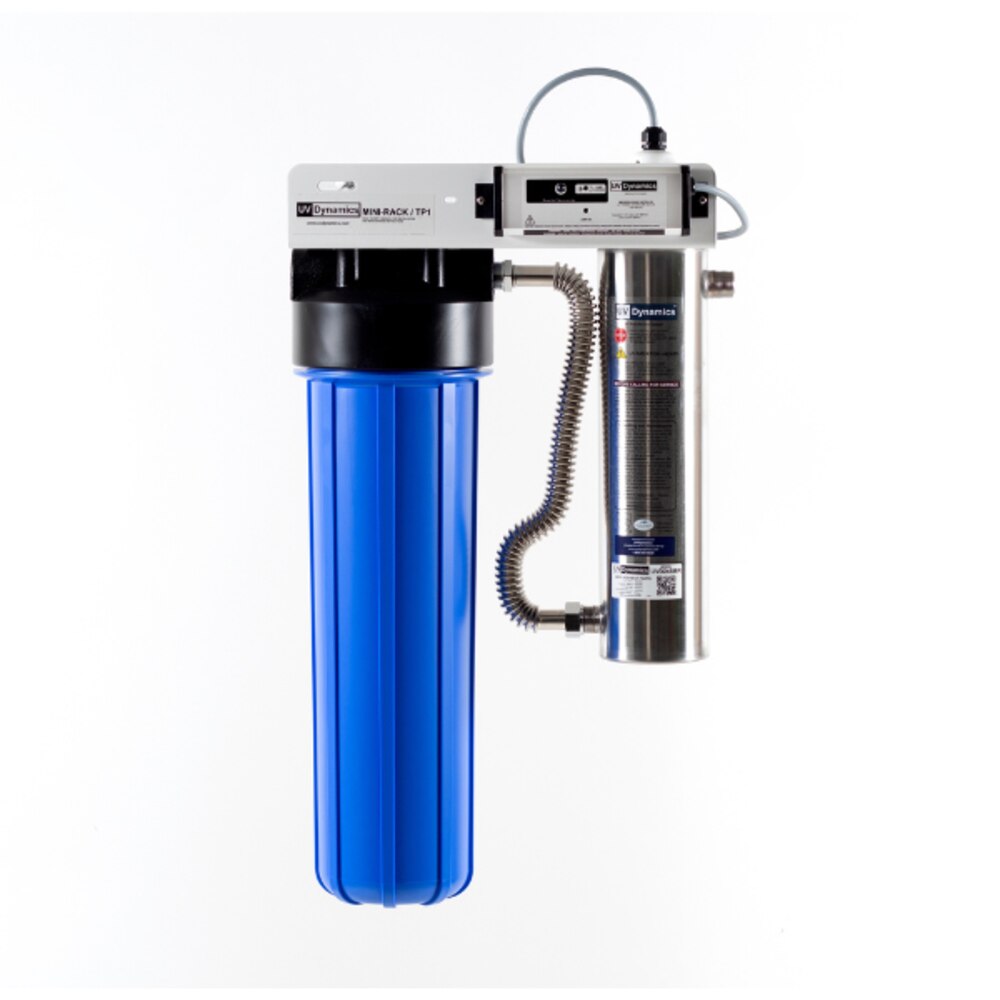
Water quality is often overlooked when selecting a well pump, but it can have a major impact on performance and longevity. In Langley and the surrounding Fraser Valley, it’s common to see issues like iron, manganese, hardness, and sediment in well water. These elements can cause buildup inside your pump and plumbing system, leading to reduced efficiency and increased wear over time. Addressing water quality with proper filtration or treatment not only protects your pump but also improves the safety and usability of your water. Before installing or upgrading a pump, it’s a smart move to test your water and ensure your system is designed to handle any local conditions.
At EDS Pumps & Water Treatment, we are experts in achieving excellent and reliable water quality for well owners and homeowners on city supply. Contact our team today for a water test and ensure your water is safe. Click here to learn more about our water treatment solutions.
Common Mistakes to Avoid
Choosing a pump without knowing well depth
- Oversizing or undersizing the system
- Ignoring water quality issues
- Skipping professional sizing and installation
A poorly chosen pump can lead to:
- Low pressure
- Frequent repairs
- Shortened equipment life
When to Upgrade Your Well Pump
Over time, even a well-installed pump will begin to show signs of wear. If you’re noticing inconsistent water pressure, the pump running more frequently than usual, air sputtering from your taps, or a spike in your electricity bills, it may be time to consider an upgrade.
These issues often indicate that the pump is struggling to keep up with demand or is nearing the end of its lifespan. In many cases, older systems also lack the efficiency and performance of newer technology, meaning an upgrade can improve both reliability and operating costs.
Rather than waiting for a complete failure, which can leave you without water, it’s best to address these warning signs early and plan a proactive replacement.
Most pumps last:
- Submersible: 10–25 years
- Jet pumps: 5–15 years
Why Professional Sizing Matters in Langley, BC
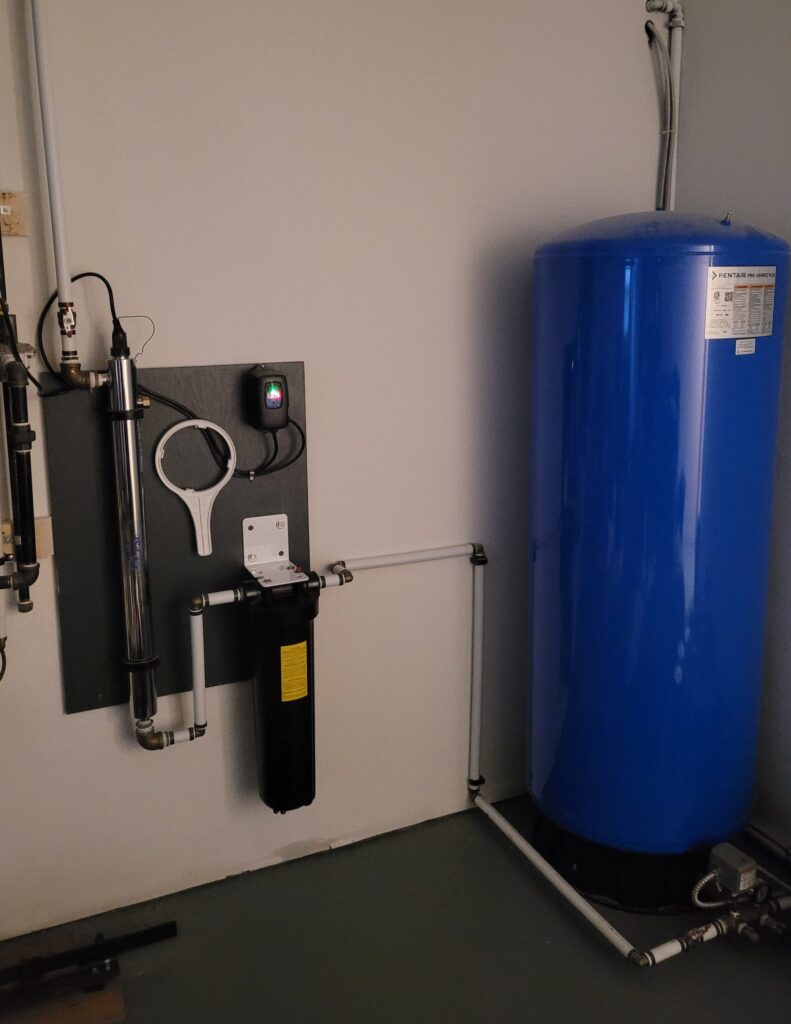
Choosing the right well pump isn’t a one-size-fits-all decision, especially in areas like Langley where well depths, water levels, and property demands can vary significantly. Proper sizing requires an understanding of factors like static water level, well recovery rate, household or operational demand, and system pressure requirements. Without this information, it’s easy to end up with a pump that’s either too small to perform effectively or too large, leading to unnecessary wear and higher costs.
Working with a local professional like our team at EDS Pumps and Water Treatment ensures your system is tailored to your specific well conditions and complies with regional standards. It also gives you confidence that your water system will perform reliably for years to come. Reach out to our team about well water system and treatment options here.
Need Help Choosing the Right Well Pump?
If you’re unsure what pump your property needs, the best next step is a professional assessment. At EDS Pumps & Water Treatment, we help homeowners and property owners across Langley and the Fraser Valley:
✔ Assess your well depth and output
✔ Recommend the right pump system
✔ Install and optimize for long-term performance
✔ Pair your system with proper water treatment
Book a consultation today to ensure your well system is reliable, efficient, and built to last.