News

What’s in Your Well Water? Understanding Bacteria, Chemicals, and Arsenic

Water Quality | February 18, 2026

What’s in Your Well Water? Understanding Bacteria, Chemicals, and Arsenic

Private well water in Langley and the Fraser Valley can contain bacteria, nitrates, metals, and naturally occurring arsenic, often without any visible signs. Unlike municipal water, private wells are not routinely monitored, which means homeowners are responsible for testing and maintaining their own water quality.

Common well water contaminants include total coliform bacteria, E. coli, nitrates from agricultural activity, iron and manganese from natural groundwater conditions, and arsenic found in certain rock formations in British Columbia. Many of these substances are colourless, odourless, and tasteless, making professional testing the only reliable way to detect them.

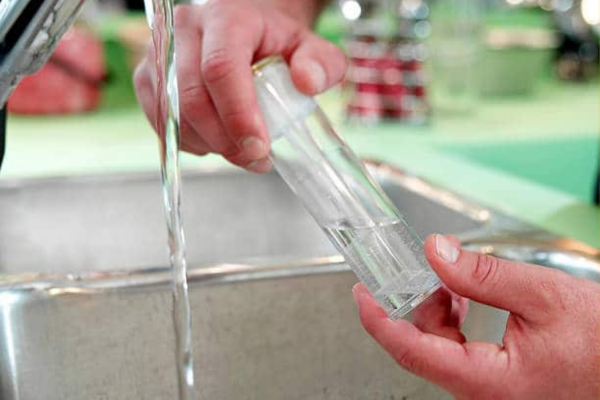
Regular well water testing helps Fraser Valley homeowners protect their health, prevent plumbing damage, and ensure their water treatment systems are working properly. At EDS Pumps & Water Treatment, we regularly test well water that looks, smells, and tastes completely normal, only to find hidden issues beneath the surface.


Why Well Water Can Contain Hidden Contaminants

Well water comes directly from groundwater sources that are influenced by natural geology and human activity. Over time, substances from soil, rock, agriculture, and nearby development can enter the water supply. Take a look at the image below to learn how groundwater can be contaminated.

Because many contaminants are colourless, odourless, and tasteless, routine testing is the only reliable way to know what’s actually in your water.

Well Water E.Coli


Bacteria in Well Water: What You Need to Know

Bacteria are one of the most common concerns in private well water, particularly after heavy rainfall, flooding, or seasonal runoff.

Harmful bacteria such as total coliform and E. coli can enter a well through surface water intrusion, cracked well casings, or failing well caps. While not all bacteria cause illness, the presence of certain types indicates that your well may be vulnerable to contamination.

Bacterial testing is especially important for households with children, seniors, or anyone with a weakened immune system.


Chemicals in Well Water: From Nitrates to Hardness Minerals

Chemical contaminants in well water can come from both natural and man-made sources. In agricultural regions like the Fraser Valley, fertilizers and septic systems can contribute to nitrates, while natural groundwater conditions often introduce iron, manganese, and hardness minerals.

Common chemical concerns include:

  • Nitrates and nitrites
  • Iron and manganese
  • Hardness minerals (calcium and magnesium)
  • Changes in pH levels

Some chemicals affect taste, staining, and plumbing, while others, such as nitrates, can pose serious health risks, particularly for infants and pregnant women.

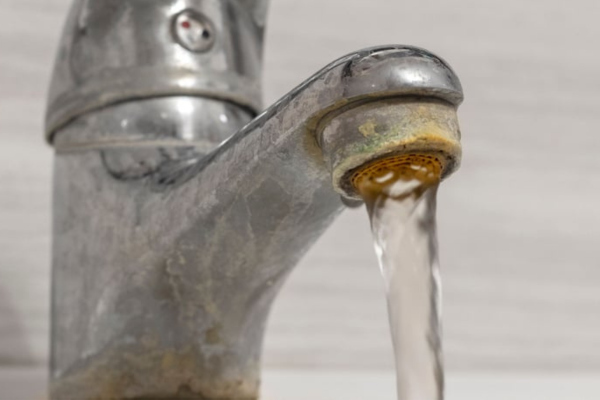
Coloured Water Staining


Arsenic in Well Water: A Silent, Naturally Occurring Risk

Arsenic is a naturally occurring element found in certain rock and soil formations and can dissolve into groundwater over time. In some parts of British Columbia, arsenic can be present in private wells without any noticeable taste, smell, or colour change.

Long-term exposure to arsenic through drinking water has been linked to serious health concerns. Because it’s undetectable without testing, arsenic is often overlooked unless specifically included in a water analysis.

If your well has never been tested for arsenic, or it’s been many years, it’s worth discussing with a professional.

Well Water Bacteria And Arsenic


How Often Should You Test Your Well Water?

Regular testing helps catch issues early, before they impact your health or your well system. At a minimum, well owners should test:

  • Annually for bacteria
  • Every few years for chemicals and metals
  • Immediately after flooding, construction, or noticeable water changes

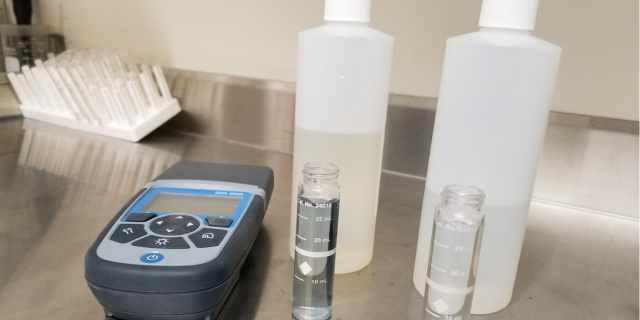
Testing is also recommended when buying or selling a rural property or if treatment equipment is being installed or adjusted. At EDS Pumps & Water Treatment, we specialize in a variety of water tests that can test arsenic, bacteria, and chemical tests. Visit our store in Langley or call our Water Specialists today at 604-534-1115 to arrange your next water test. Learn more about our water testing process here.


Water Treatment Options for Bacteria and Chemical Contaminants

Once testing identifies what’s in your water, treatment can be tailored to your specific needs. Depending on the results, solutions may include UV water treatment systems for bacteria, carbon filtration for chemical contaminants, iron and manganese filters, water softeners, or reverse osmosis systems for targeted drinking water treatment. Choosing the right system starts with accurate testing and professional guidance.

Water Softeners


Professional Well Water Testing in Langley & the Fraser Valley

At EDS Pumps & Water Treatment, we provide professional well water testing designed for local groundwater conditions. Our experienced team explains your results clearly and helps you understand what, if anything, needs to be done to protect your water supply.

With over 65 years serving Langley and the Fraser Valley, EDS is a trusted partner for homeowners who want safe, reliable, and great-tasting well water.


Know What’s in Your Well Water

Just because your water looks clear doesn’t mean it’s clean. Bacteria, chemicals, and arsenic can exist without warning signs, making routine testing essential for every well owner.

Contact EDS Pumps & Water Treatment today to book professional well water testing at 604-534-1115 or email us at info@edspumps.com and gain confidence in the water your family uses every day.

Well Water Testing - EDS Pumps and Water Treatment


I need help now!

Immediate Service

call us at 604-534-1115
or toll free 1-800-900-2220.

Leave a note

and we’ll call you.


    Urgent issue? If this is an immediate emergency, please call us directly at
    604-534-1115 for faster assistance.


    Tell us what’s going on with your water system and we’ll get back to you as soon as possible.