

Common Well Water Problems
If you’re on well water, changes in your water quality aren’t just inconvenient, they can signal underlying issues with your water source, system, or treatment setup.
At EDS Pumps & Water Treatment, we help homeowners across the Fraser Valley diagnose and solve common water problems quickly and effectively. Whether it’s staining, odour, or unsafe drinking water, we’ll identify the cause and recommend the right solution.
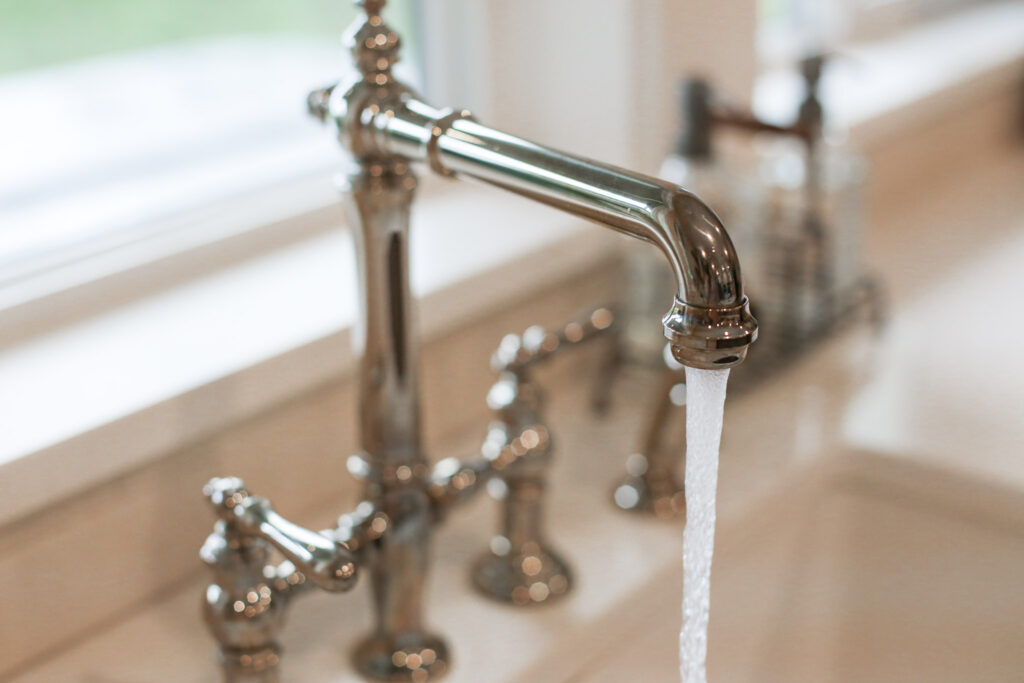
Is Your Water Trying to Tell You Something?
Strange odors, metallic tastes, or orange stains in your sink are more than just annoyances - they are signs of untreated water issues. Since 1960, EDS Pumps & Water Treatment has been the local authority on diagnosing and solving even the toughest water quality challenges.
Common Issues We Solve
Hard Water & Scale Buildup
- The Symptoms: White, chalky deposits on faucets; dry, itchy skin; stiff laundry.
- The Cause: High levels of Calcium and Magnesium.
- The Fix: Professional Water Softeners.
Iron Staining (Red/Orange Water)
- The Symptoms: Rust-colored stains in toilets and tubs; metallic taste.
- The Cause: Dissolved or Oxidized Iron.
- The Fix: Iron Filters and Oxidation Systems.
Rotten Egg Smell (Sulphur)
- The Symptoms: Terrible "rotten egg" odor, especially in hot water.
- The Cause: Hydrogen Sulfide gas or bacteria.
- The Fix: Air Injection Oxidation or Carbon Filtration.
Bacteria & Safety
(E.Coli)
- The Symptoms: Often odorless and tasteless (invisible danger).
- The Cause: Surface water contamination, cracked well casings.
-
The Fix: UV Disinfection Systems and Chlorination.
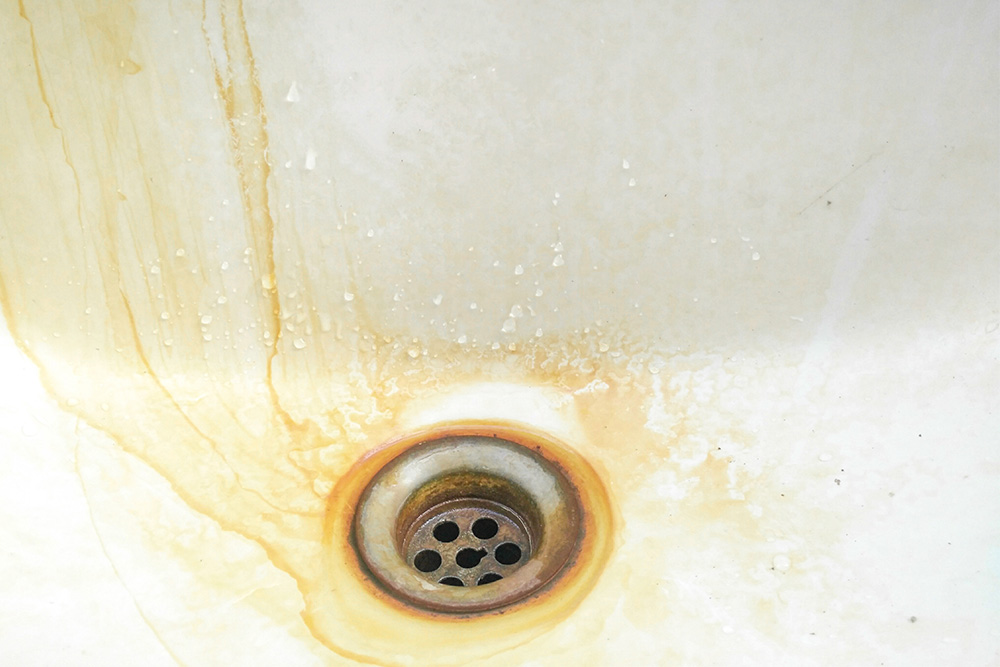
Staining
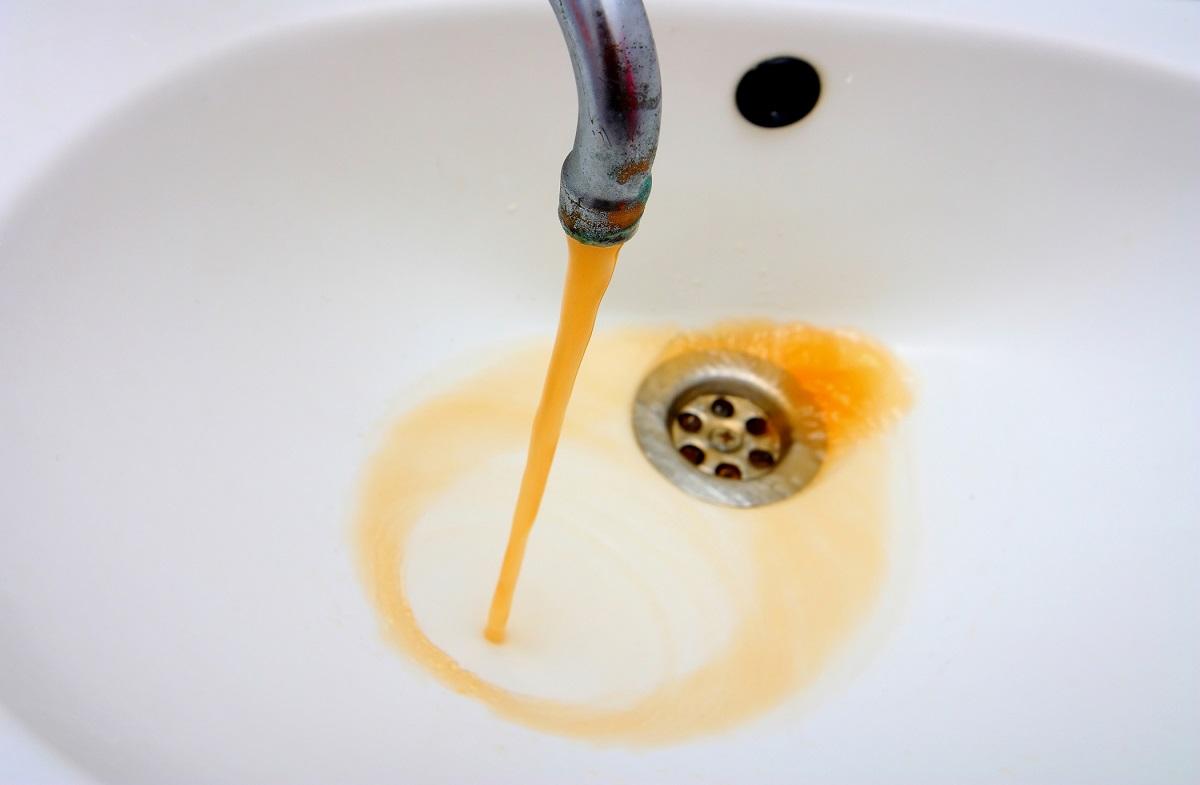
Orange or reddish stains in sinks, tubs, and laundry are often caused by mineral or metal imbalance, likely high iron levels in your water. This is very common in Fraser Valley wells and can also leave a metallic taste.
Common causes include:
- Naturally occurring iron and manganese in groundwater
- Seasonal shifts in water tables bringing more minerals into your supply
- Disturbance in the well (pump activity, heavy use, or maintenance)
- Iron bacteria growth, which feeds on iron and creates slime buildup
Signs to watch for:
- Orange or brown staining on fixtures
- Metallic taste in drinking water
- Discoloured laundry
Smelly Water
If your water smells like sulphur, chlorine, or musty odors, we can isolate where the issue starts and correct it at the system level. A strong “rotten egg” smell in your water is most often caused by hydrogen sulphide gas (H₂S). This gas can occur naturally in groundwater, be produced by sulphur-reducing bacteria in your well or plumbing, or even develop inside your hot water tank.
It makes water unpleasant to use and can lead to corrosion or staining over time.
Common causes include:
- Natural sulphur compounds in groundwater
- Bacteria growing in the well, pipes, or pressure tank
- Reactions inside your hot water heater (especially with older anode rods)
- Low-oxygen (anaerobic) conditions in the well
Signs to watch for:
- Rotten egg smell from one or multiple taps
- Odour stronger in hot water (often points to the water heater)
- Smell worse after water sits in pipes
- Occasional black or dark staining (can occur alongside sulphur bacteria)
Discoloured Water
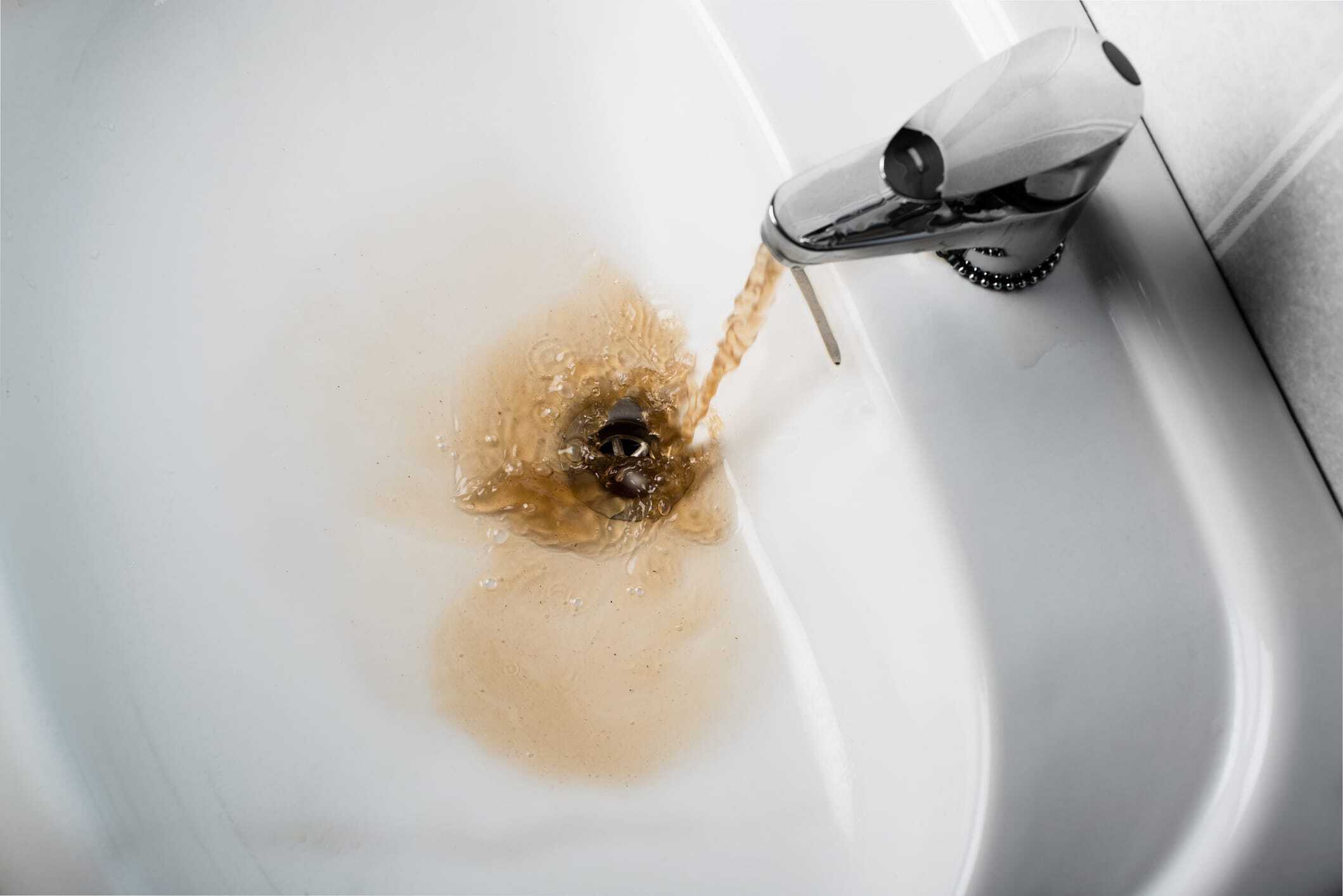
Discoloured water is a common issue in well systems and can point to anything from harmless sediment to more serious system concerns. Even if it clears up quickly, it’s a sign that something in your water or plumbing needs attention.
The cause can come from your well itself, your pump system, or even changes in groundwater conditions, especially in areas like the Fraser Valley where water tables shift seasonally.
Common causes include:
- Sediment or silt entering the well (often after heavy rain or disturbance)
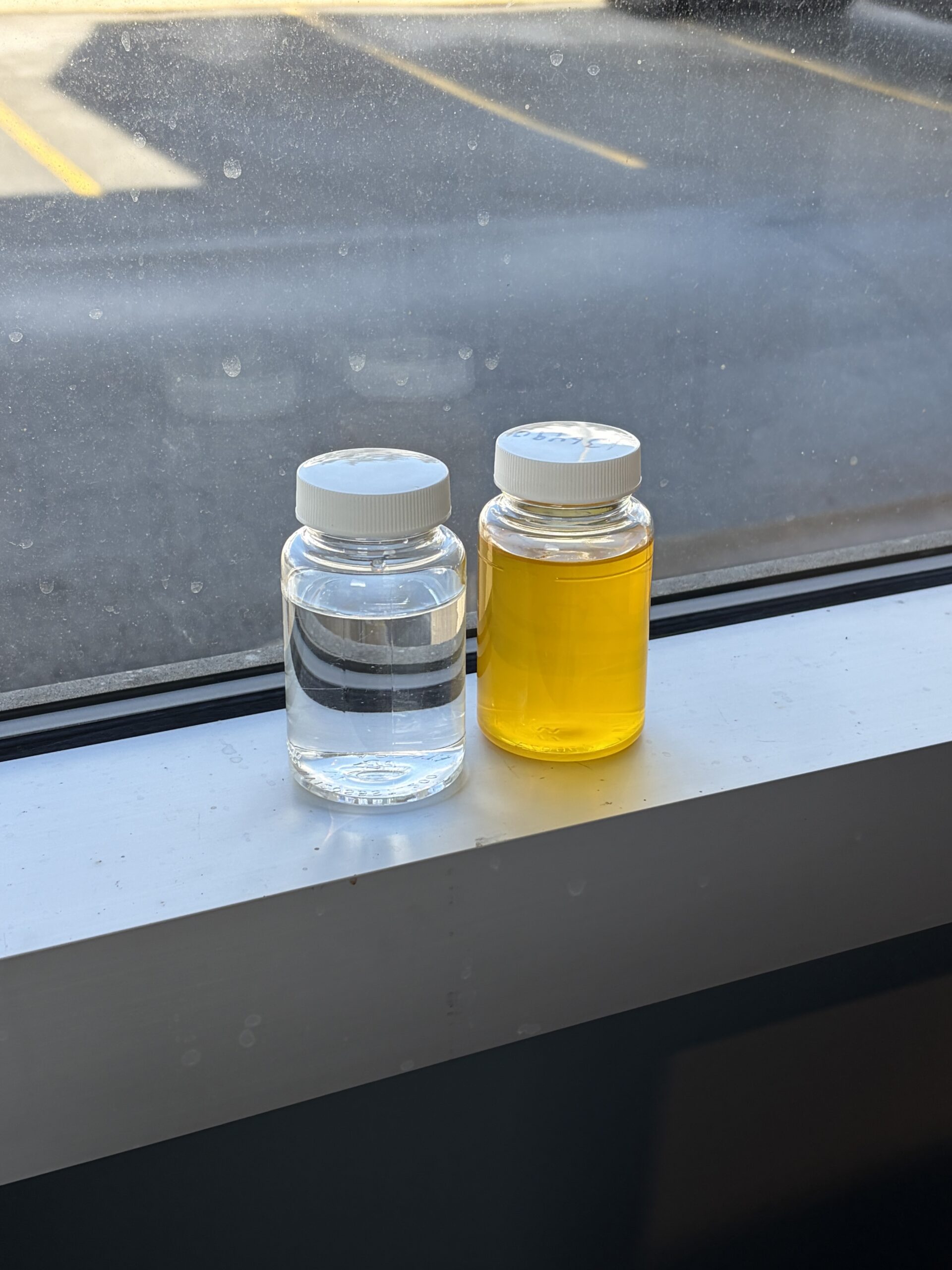
- Iron or manganese causing yellow, orange, or brown discoloration
- Air in the water lines, creating a cloudy or milky appearance
- Corroding pipes or fixtures introducing rust into the water
- Well or pump issues stirring up debris from the bottom of the well
Signs to watch for:
- Brown, yellow, or tea-coloured water from taps
- Cloudy or milky water that clears after sitting
- Visible particles or sediment in a glass of water
- Sudden changes in water clarity after storms or heavy use
- Staining on fixtures, laundry, or dishes
Hard Water (Scaling)
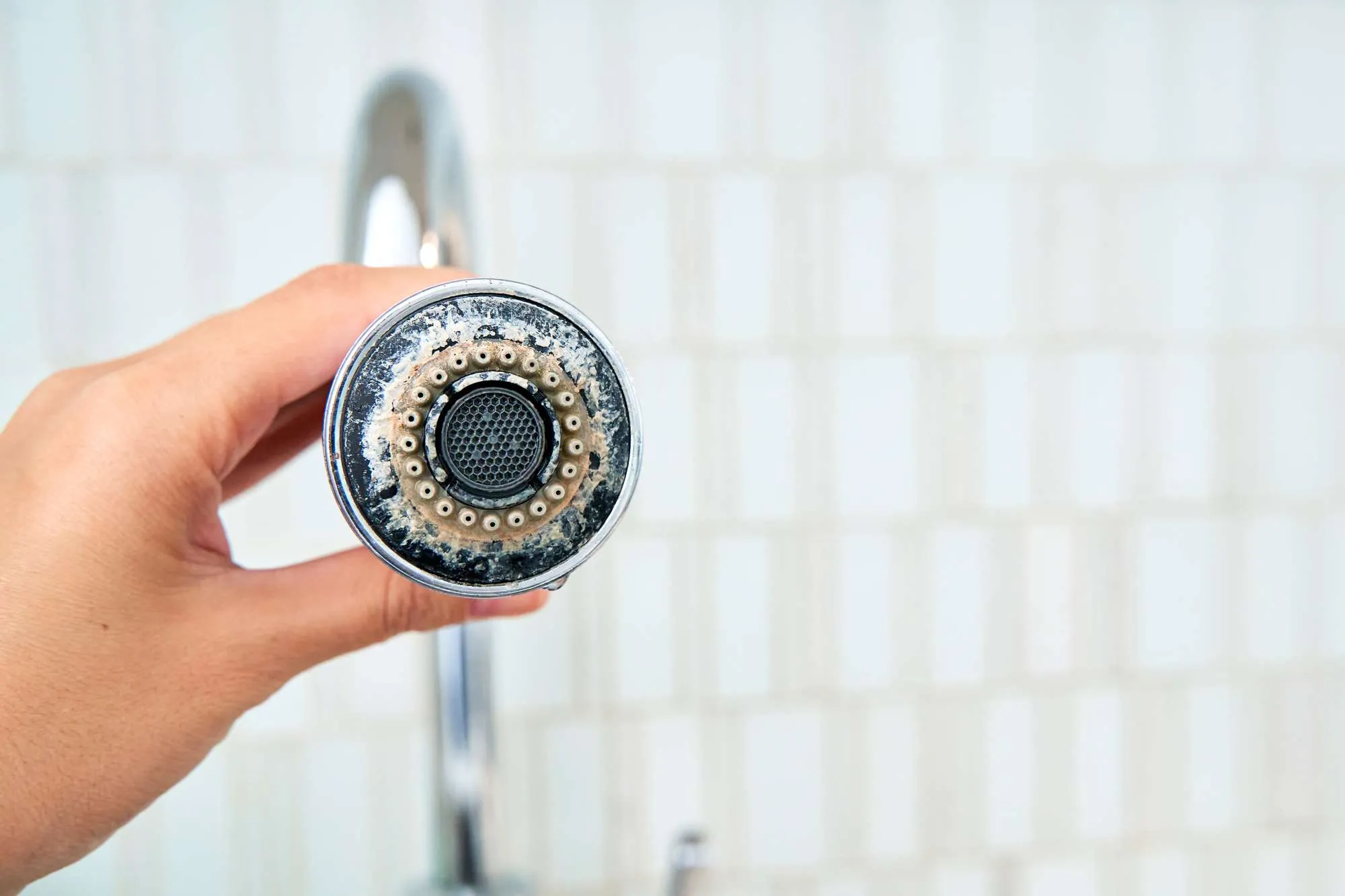
Hard water is caused by high levels of dissolved minerals, primarily calcium and magnesium, that are naturally present in groundwater. While it’s not harmful to your health, it can have a major impact on your home, plumbing system, and daily water use.
Over time, these minerals form scale buildup (limescale) inside pipes, fixtures, and appliances, reducing efficiency and leading to costly repairs or replacements.
Common causes include:
- Naturally mineral-rich groundwater (very common in well systems)
- Lack of a properly sized or functioning water softener
- Changes in water chemistry over time
- High water usage increasing mineral buildup in pipes and equipment
Signs to watch for:
- White, chalky residue on faucets, showerheads, and glass
- Spotting on dishes and cloudy glassware
- Soap and shampoo not lathering well
- Dry skin or dull-feeling hair after showering
- Reduced water pressure due to scale buildup in pipes
- Appliances (dishwashers, hot water tanks) wearing out faster
Bacteria
Bacteria in well water is one of the most important issues to take seriously, because unlike staining or odour, it’s often invisible. Your water can look, smell, and taste completely normal while still containing harmful microorganisms.
The most common concerns are total coliform bacteria and E. coli, which indicate contamination from surface water, septic systems, or environmental factors.
Common causes include:
- Heavy rainfall, flooding, or runoff entering the well
- Nearby septic system issues or agricultural activity
- Cracks or poor sealing in the well casing
- Shallow or older wells more vulnerable to contamination
- Improperly maintained well or water system
Signs to watch for:
- No obvious signs at all (most bacterial contamination is undetectable without testing)
- Recent flooding or environmental changes
- Failed real estate or routine water test
- Concerns about illness or water safety in the household
Metals
Iron and manganese are two of the most common naturally occurring minerals found in well water throughout the Fraser Valley. While they aren’t typically harmful to your health, they can cause persistent staining, unpleasant taste, and buildup throughout your plumbing system.
These minerals often go unnoticed at first, but over time they can create frustrating, hard-to-remove issues in your home.
Common Causes:
- Naturally mineral-rich groundwater (very common in well systems)
- Seasonal fluctuations in groundwater conditions
- Changes in water usage or well activity
- Dissolved minerals that oxidize when exposed to air
Signs to watch for:
- Orange, brown, or black stains on sinks, tubs, and toilets
- Discoloured laundry (especially whites turning yellow or grey)
- Metallic or bitter taste in drinking water
- Water that runs clear but stains surfaces over time
- Build-up inside pipes, fixtures, and appliances
Other Water Problems
If you notice changes in taste, pressure, clarity, or odor, EDS can run a full assessment and create a practical treatment plan.
No Water?
Call our emergency line to get help.
The Cost of Ignoring Water Problems
Untreated water doesn’t just taste bad – it gets expensive.
- Ruined Appliances: Scale shortens the life of water heaters/dishwashers by 30-50%.
- Plumbing Damage: Acidic water (low pH) eats through copper pipes, leading to pinhole leaks.
- Health Risks: Bacteria or chemical runoff can pose serious long-term health risks.

Serving British Columbia's Lower Mainland
From our Langley location, we provide comprehensive water treatment and pump services throughout Metro Vancouver and the Fraser Valley.
Langley
Maple Ridge
Mission
Surrey
Abbotsford
Across British Columbia
Remote Communities in BC
Stop Living with Bad Water.
Call Us
(604) 534-1115
Email Us
water@edspumps.com
Hours
24/7 Emergency