Fall Well Maintenance Checklist: Preparing Your Well System Before the Rains Hit
Fall in the Fraser Valley means dropping temperatures, heavier rainfall, and a shift in how your well system performs. If you rely on a private well, this seasonal transition is the ideal window to catch small issues before winter turns them into costly repairs. A thorough well system maintenance routine in autumn protects your water quality, your equipment, and your peace of mind through the colder months ahead.
Below is a complete well maintenance checklist to help homeowners and property managers get their systems ready for fall, plus guidance on when it’s time to call in a professional well inspection Langley team.
Why Fall Maintenance Matters
Heavy autumn rains raise groundwater levels and can introduce surface runoff, sediment, and contaminants into well systems that aren’t properly sealed or maintained. At the same time, dropping temperatures put stress on pumps, tanks, and exposed piping. Wells that go into winter with unresolved issues are far more likely to freeze, fail, or deliver compromised water quality when you need reliable service the most.
Addressing maintenance now, rather than waiting for a mid-winter breakdown, saves money, prevents water contamination, and extends the life of your equipment.
1. Pump Maintenance
Your well pump works harder than almost any other component in your water system, and fall is the right time to check on it before demand and weather conditions increase.
What to check:
- Listen for unusual noises (grinding, cycling too frequently, or humming without water flow)
- Check for consistent water pressure at multiple taps
- Inspect electrical connections and wiring for corrosion or wear
- Confirm the pump is cycling on and off at normal intervals, not short-cycling
- Look for signs of sediment or sand in your water, which can indicate pump or well screen issues
A pump that’s struggling in September is far more likely to fail outright in January. Catching irregularities now means repairs can be scheduled on your timeline, not during an emergency freeze.

2. Pressure Tank Inspection
Your pressure tank regulates flow and reduces wear on your pump. A tank that’s losing pre-charge or developing a leak will force your pump to cycle more frequently, shortening its lifespan.
What to check:
- Verify the air pressure (pre-charge) is set correctly for your system, typically 2 psi below the pump’s cut-in pressure
- Check for signs of waterlogging (tank feels heavy, water sputters at the tap)
- Inspect for rust, corrosion, or moisture pooling around the tank
- Confirm pressure switch settings are within manufacturer specs
If your pressure tank is more than 10-15 years old, fall is also a good time to evaluate whether it’s due for replacement before winter demand increases.
3. Water Treatment System Servicing
Fall rains can shift the mineral content, turbidity, and bacterial load of well water, especially in shallow or surface-influenced wells common throughout the Fraser Valley. This makes seasonal servicing of your water treatment equipment essential.
What to check:
- Replace or clean sediment filters
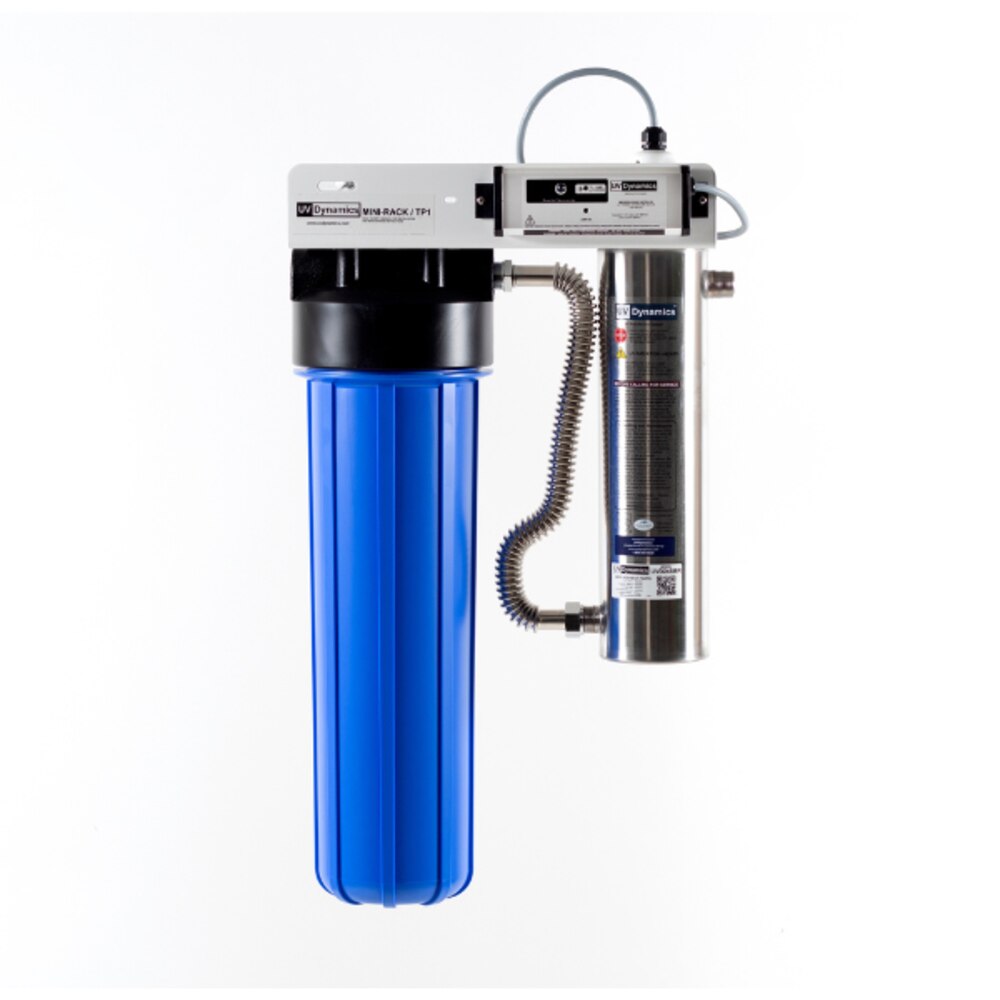
- Inspect UV disinfection systems and replace bulbs on schedule (typically annually)
- Check water softener salt levels and resin condition
- Test iron filters or other specialty treatment media for reduced efficiency
- Confirm all treatment components are properly sealed and free of leaks
Neglected treatment systems don’t just underperform, they can allow untreated water to bypass filtration entirely, putting your household at risk.

4. Water Testing
Water testing is one of the most overlooked steps in seasonal well maintenance, yet it’s the clearest way to confirm your water is actually safe going into fall and winter.
What to test for:
- Total coliform and E. coli bacteria
- Nitrates and nitrites (especially relevant near agricultural areas)
- Turbidity and sediment levels
- pH, hardness, and iron/manganese content
Testing after the first significant fall rainfall is particularly useful, since it reveals how well your system handles increased groundwater movement and surface runoff. If results come back abnormal, a professional well inspection Langley service can identify whether the well casing, seal, or treatment system needs attention.
A Simple Fall Well Maintenance Checklist
- Inspect and test the well pump for noise, cycling and pressure consistency
- Check pressure tank pre-charge and look for waterlogging or corrosion
- Test water for bacteria, nitrates, and sediment
- Inspect the wellhead cap and casing for cracks or seal failures
- Clear vegetation and debris away from the wellhead
- Insulate exposed pipes ahead of freezing temperatures
- Schedule a professional inspection if any irregularities are found
Don’t Wait for the First Freeze
Fall is a narrow window. Once the rains set in and temperatures drop, minor issues become urgent ones — and scheduling gets tighter as demand for well services increases across the Fraser Valley.
Book your annual well maintenance now, before the fall rains hit.
📞 Call EDS Pumps and Water Treatment to schedule your seasonal well inspection, pump check, and water testing appointment.
🔗 Prefer to reach out online? Visit our Contact Page to book your fall maintenance appointment today.
A well-maintained system isn’t just about avoiding breakdowns, it’s about protecting your family’s water quality all winter long. Don’t wait until the first hard freeze to find out something’s wrong.