Buying a Home with a Well? Summer Inspection Checklist
Purchasing a home with a private well is different from buying a home connected to municipal water. While a well offers independence and long-term savings, it also comes with responsibilities that many first-time well owners may not be familiar with.
Summer is one of the best times to inspect your well system. Increased water demand from lawn irrigation, gardening, pools, and outdoor activities can place additional strain on your equipment. Seasonal changes can also affect groundwater levels and water quality. Taking the time to inspect your system early in the season can help prevent unexpected repairs and ensure your family has safe, reliable water throughout the summer.
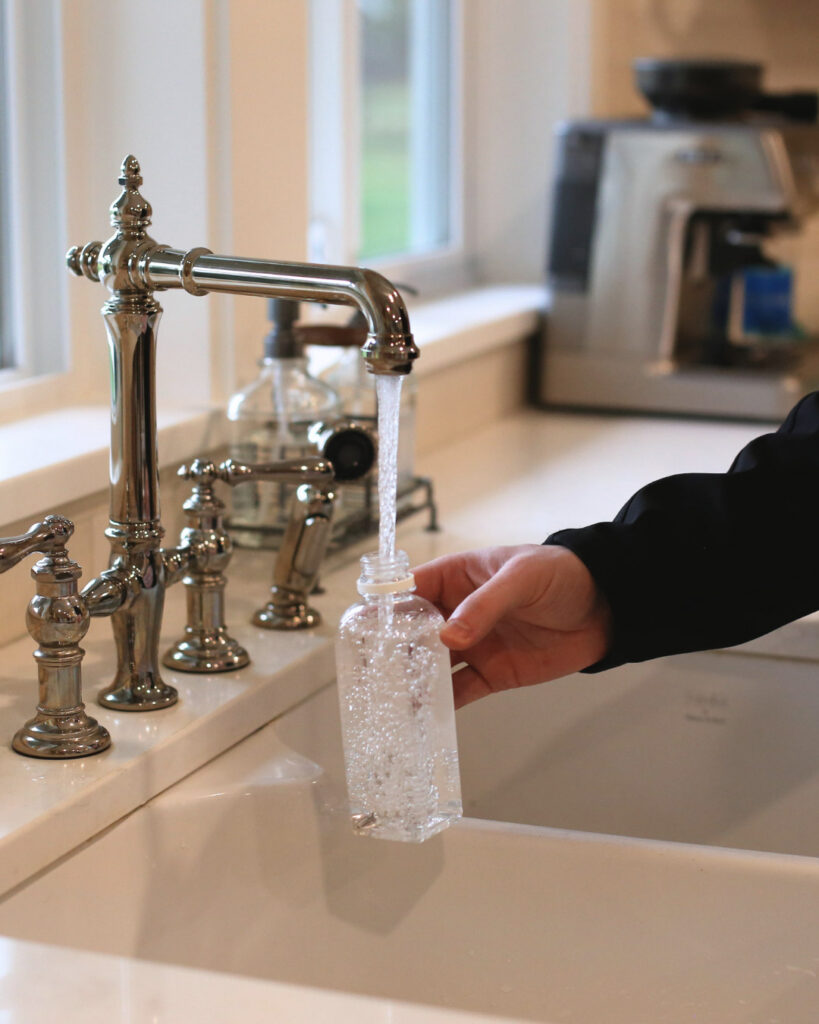
1. Test Your Well Water
If you’ve recently purchased your home, one of the first steps should be to have your well water tested. Even if the previous homeowner provided water test results, those results only reflect the water quality at the time they were taken. Unfortunately, some homeowners may shock their well with chlorine before testing to temporarily eliminate bacteria and improve test results. While this can produce a passing test, it does not address the underlying condition of the well or provide an accurate picture of ongoing water quality.
Groundwater conditions can also change over time due to seasonal weather, nearby land use, heavy rainfall, or natural changes underground. Regular testing is the best way to ensure your water remains safe.
A comprehensive water test can identify bacteria, nitrates, hardness, iron, manganese, pH levels, and other minerals that may affect the safety or quality of your water. It also provides a valuable baseline for monitoring changes over time.
At EDS Pumps & Water Treatment, we offer a range of well water testing services, including potability testing, chemical analysis, and bacteria testing. If you’ve recently purchased a home with a private well, scheduling a water test is one of the best ways to start understanding your water system. Schedule today at edspumps.com/contact.
2. Inspect the Wellhead
Your wellhead is the first line of defense against contamination. Take a few minutes to locate it and inspect its condition.
Ensure the well cap is secure, the casing is free from visible damage, and the surrounding area slopes away from the well so water does not pool around it. Keep vegetation trimmed back and avoid storing fertilizers, fuel, pesticides, or other chemicals nearby, as contaminants can eventually reach the groundwater.
3. Check Your Water Treatment Equipment
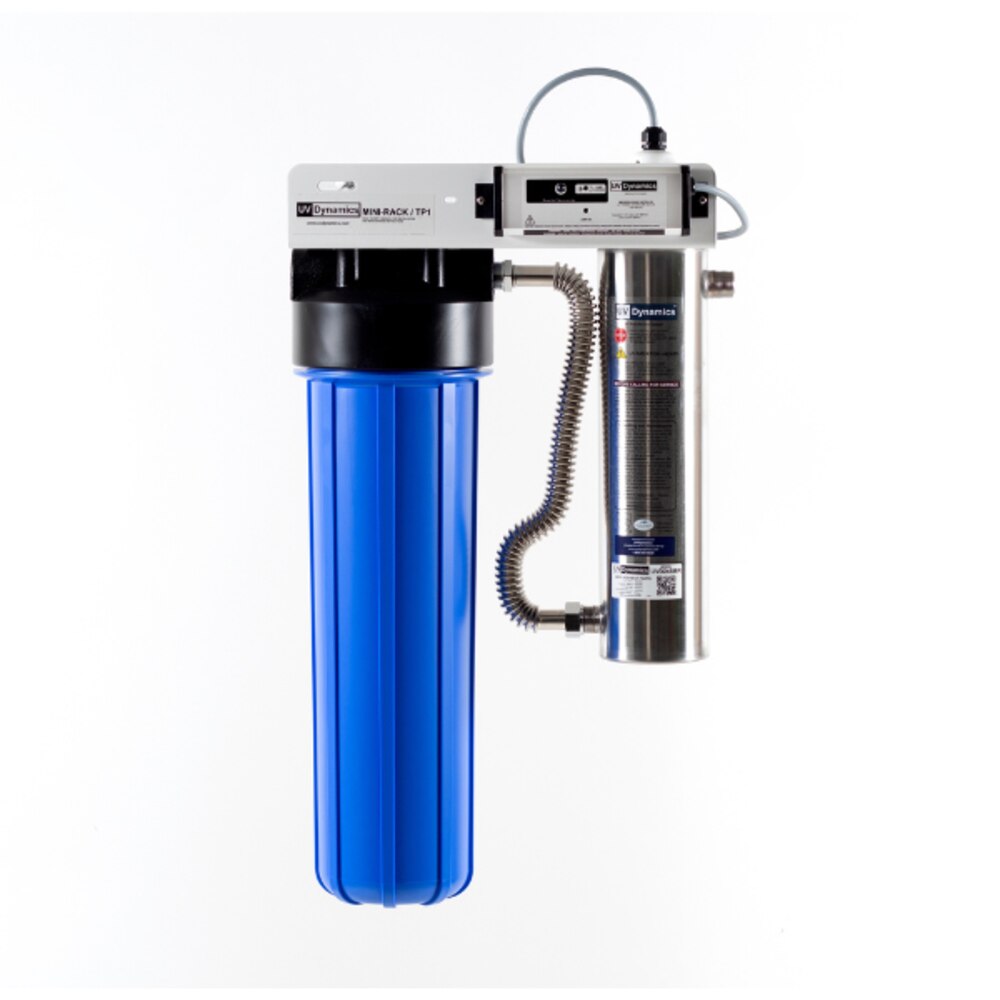
Many homes with private wells rely on treatment systems such as water softeners, UV disinfection systems, reverse osmosis units, or sediment filters. If you’ve recently moved into the home, you may not know when these systems were last serviced.
Replacing filters according to the manufacturer’s recommendations helps maintain water quality and protects your equipment from unnecessary wear. If your home uses a UV disinfection system, remember that the UV lamp should generally be replaced every 12 months, even if it still appears to be working, as its disinfecting effectiveness decreases over time.
If you’re unsure whether your current equipment is operating properly or is appropriate for your water quality, a professional inspection can provide clarity. At EDS, we recommend having your water treatment system evaluated when purchasing a home with a private well. Our technicians can assess the condition of your equipment, identify any maintenance needs, and recommend solutions based on your home’s specific water quality.

4. Watch for Changes in Water Pressure
Your well system often provides early warning signs when something isn’t functioning properly. If you notice inconsistent water pressure, air coming from faucets, cloudy water, or the pump running more frequently than normal, it’s worth having the system inspected.
These symptoms can indicate issues with the well pump, pressure tank, or available water supply. Addressing these concerns early can often prevent more significant repairs later.
5. Inspect for Plumbing Leaks
Small plumbing leaks are easy to overlook but can place unnecessary demand on your well system. Inspect outdoor hose bibs, irrigation systems, faucets, toilets, and any exposed plumbing for signs of leaks.
Even a slow leak can cause your pump to cycle more frequently, reducing its lifespan and increasing energy consumption.

Schedule a Professional Inspection
If you’re unfamiliar with your home’s well system, a professional inspection can provide valuable peace of mind. A qualified technician can assess the condition of the pump, pressure tank, water treatment equipment, and overall system performance while identifying potential issues before they become costly repairs.
For new homeowners, this inspection also establishes a maintenance baseline and helps you better understand the equipment that supplies your home’s water. It also gives you confidence that your well system is operating safely and efficiently before periods of peak summer water use.
Protect Your Investment
Your well system is one of the most important mechanical systems in your home. Routine inspections and preventative maintenance not only help protect your water quality but also extend the life of your equipment and reduce the likelihood of unexpected breakdowns.
If you’ve recently purchased a home with a private well, EDS Pumps & Water Treatment can help with water testing, well inspections, pump diagnostics, pressure tank evaluations, and water treatment services throughout Langley, Surrey, Abbotsford, Mission, Maple Ridge, and the Fraser Valley. Whether you’re learning about your new well system or preparing for the busy summer season, our team is here to help you keep your water flowing reliably.