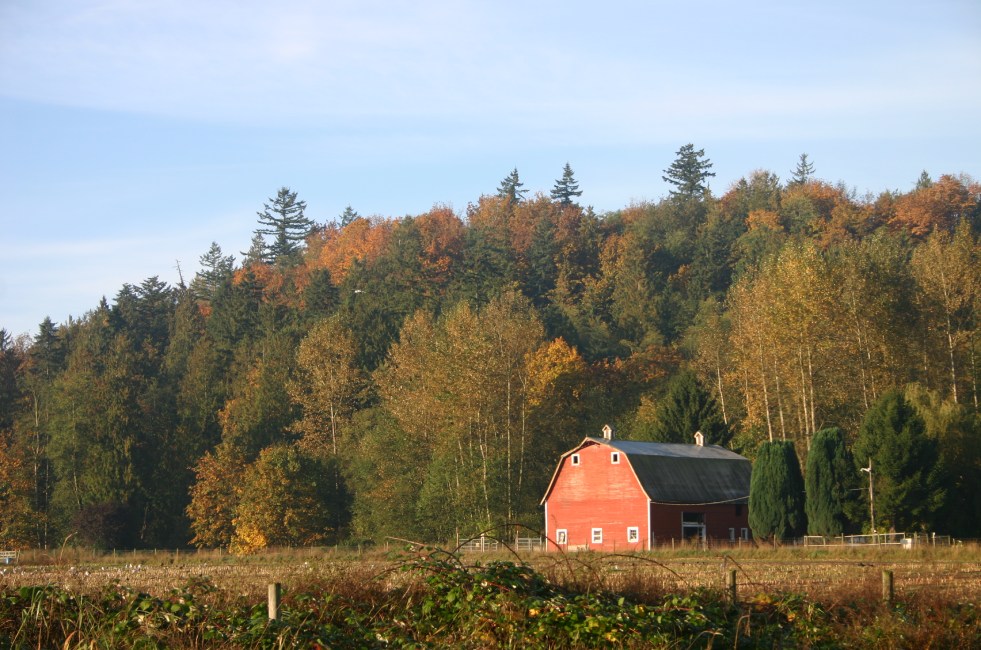
As winter fades and fields start coming back to life, spring irrigation season quickly approaches for farmers, greenhouse operators, and large property owners in the Fraser Valley. Your farm water well and pump system suddenly move from low winter demand to running for hours each day to support crops, livestock, or greenhouse production.
If your agricultural well system isn’t ready, the stress of increased flow demand can lead to pressure issues, pump failures, or reduced well output right when your operation depends on it most.
Preparing your water system early helps ensure reliable irrigation throughout the growing season—and protects the long-term health of your farm water well.
Why Spring Irrigation Puts Stress on Farm Wells
Water demand on farms increases dramatically once irrigation begins. Crops, livestock, and greenhouse operations may all draw water simultaneously, meaning pumps and wells often run far longer than they do during winter.
According to resources from Agriculture and Agri-Food Canada, understanding your well’s capacity and monitoring water levels are critical to maintaining a reliable water supply and avoiding over-pumping. When water is removed faster than the well can recharge, it can damage the well and reduce long-term yield.
Over-pumping can:
- Lower the water level inside the well
- Introduce oxygen into the aquifer
- Cause mineral buildup or bacterial growth on the well screen
- Reduce the well’s production capacity over time
For farms that depend on irrigation, these problems can mean major disruptions during peak growing season.
Understanding Flow Demand for Irrigation Systems
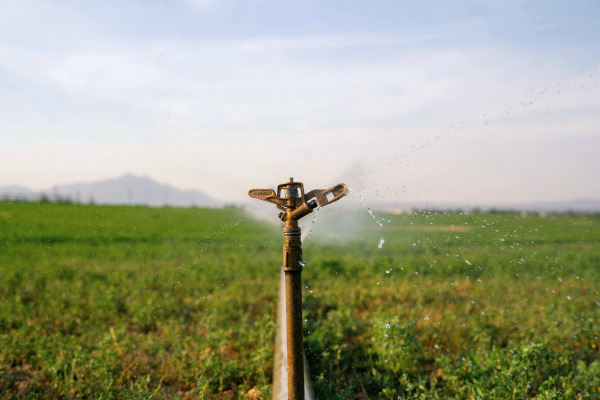
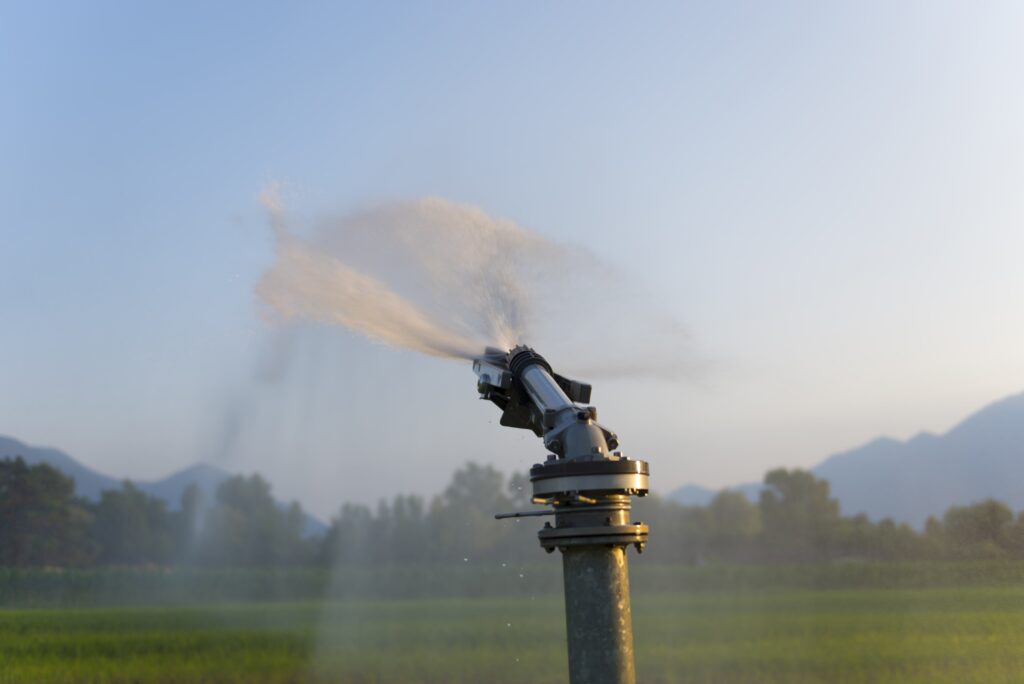
Every irrigation system has a specific flow requirement that must be met by the farm water well pump. This requirement is usually measured in gallons per minute (GPM) and depends on several operational factors including total acreage being irrigated, crop type, irrigation style (drip, sprinkler, or pivot), and how many zones operate at once.
For example:
- Row crops may require 5–8 GPM per acre
- Orchards typically require 3–6 GPM per acre
- Vineyards using drip irrigation may require 2–4 GPM per acre
A 10-acre vegetable operation could require 50–80 GPM during peak irrigation, while larger farms may require several hundred gallons per minute depending on the system design.
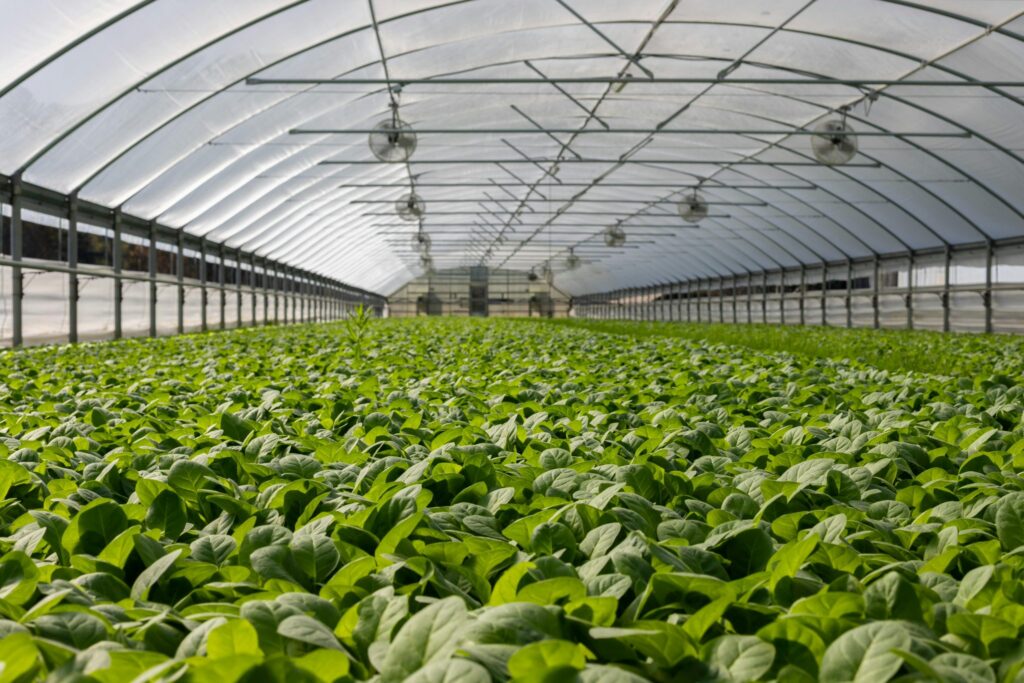
Greenhouse operations can also require surprisingly high water volumes during hot weather. A large greenhouse may require several thousand gallons of water per day to maintain consistent plant hydration and climate conditions. When irrigation runs for multiple hours each day, the well system must deliver a reliable flow rate without significant pressure fluctuations.
If your well pump can’t deliver this flow consistently, irrigation systems may experience:
- Pressure drops
- Uneven watering
- Pumps running continuously
- Excessive wear on equipment
Why Proper Pump Sizing Matters
A common issue we see on agricultural properties is a pump that isn’t properly matched to the irrigation system. A properly sized pump is one of the most important factors in maintaining a reliable agricultural water system. Many well issues during irrigation season can be traced back to pumps that were never matched to the irrigation demand of the property. Both undersized and oversized pumps can create problems.
When a pump is undersized, it must run constantly in order to maintain pressure and deliver enough water. This can shorten pump lifespan and still leave irrigation systems underperforming. On the other hand, pumps that are significantly oversized may short-cycle frequently, wasting energy and placing unnecessary stress on pressure components and plumbing infrastructure.
Correct pump sizing takes into account three main variables: the required flow rate in gallons per minute, the pressure needed for irrigation equipment to operate properly, and the total dynamic head, which includes the lift from the well and friction losses in the piping system.
Agricultural wells can vary widely in their flow requirements. Smaller operations may require ten to twenty gallons per minute, while larger irrigation systems can require several hundred gallons per minute to operate effectively. Matching the pump to the true irrigation demand ensures efficient operation and protects the entire water system.
Proper pump sizing depends on three key factors:
- Flow rate (GPM)
- Pressure requirements (PSI)
- Total dynamic head (lift + pipe friction)
Many agricultural systems require between 10 and 200 GPM, while larger irrigation operations can require several hundred GPM or more depending on acreage and system design.
Matching the pump correctly to your irrigation system helps ensure efficient operation and reduces long-term wear on equipment.
Signs Your Irrigation Well May Need Attention
Before irrigation season begins, watch for warning signs that your farm water well or pump may be struggling.
Common indicators include:
- Reduced water pressure during irrigation
- Pumps running longer than normal
- Sudden changes in water quality
- Sediment or cloudy water
- Irrigation zones losing pressure when multiple zones run
According to Agriculture and Agri-Food Canada, tracking water levels with the pump on and off can help identify problems such as plugging screens or aquifer depletion early.
Catching these issues early can prevent major downtime once irrigation season is in full swing.
Spring Maintenance Checklist for Farm Water Wells
Before irrigation begins, it’s a good idea to review your entire water system.
A spring well system check should include:
1. Pump performance check
- Verify pump output and pressure
- Ensure it matches irrigation demand
2. Well recovery testing
- Confirm the well can keep up with extended pumping
3. Pressure system inspection
- Check pressure tanks, switches, and valves
4. Water quality testing
- Identify sediment, bacteria, or mineral buildup
5. Irrigation flow testing
- Confirm zones and greenhouse lines operate at the correct flow rate
These steps help ensure your irrigation system performs reliably during the busiest months of the growing season.
Planning Ahead Protects Your Operation
Your water system is one of the most critical pieces of infrastructure on a farm or greenhouse operation. When irrigation demand spikes in spring and summer, any weaknesses in the system quickly show up.
Taking time to evaluate flow demand, pump sizing, and well performance now can prevent costly downtime later in the season.
How EDS Pumps & Water Treatment Supports Agricultural Operations
At EDS Pumps & Water Treatment, we regularly work with farmers, greenhouse operators, and large rural property owners who depend on well water for irrigation and agricultural production.
Agricultural water systems require specialized knowledge because they operate at higher flow rates and for longer durations than typical residential wells. Our team helps commercial and agricultural clients evaluate whether their wells and pumps can meet irrigation demand while protecting the long-term health of the aquifer.
Services for agricultural and commercial well systems include irrigation pump sizing and installation, diagnosing pressure and flow problems, and upgrading systems when farms expand or irrigation needs increase. We also assist with well performance testing, water treatment solutions for agricultural water use, and repairs for high-capacity pump systems.
Because irrigation systems are critical infrastructure for many farms and greenhouse operations, ensuring the well system is designed and maintained correctly can make a significant difference in reliability and operating costs.
Have Questions About Your Farm Water Well System?
If you rely on a well for irrigation, greenhouse watering, or agricultural production, preparing your system before the growing season begins is essential.
Whether you are expanding irrigation, experiencing pressure issues, or simply want to confirm that your well system can meet spring demand, the team at EDS Pumps & Water Treatment can help evaluate your setup and recommend solutions.
Reach out to our team today at (604) 534-1115 or water@edspumps.com if you have questions about agricultural wells, irrigation pump sizing, or improving the reliability of your farm’s water system. We are always happy to help you prepare for a successful irrigation season.