Well Water Solutions for Acreage & Rural Properties in the Fraser Valley
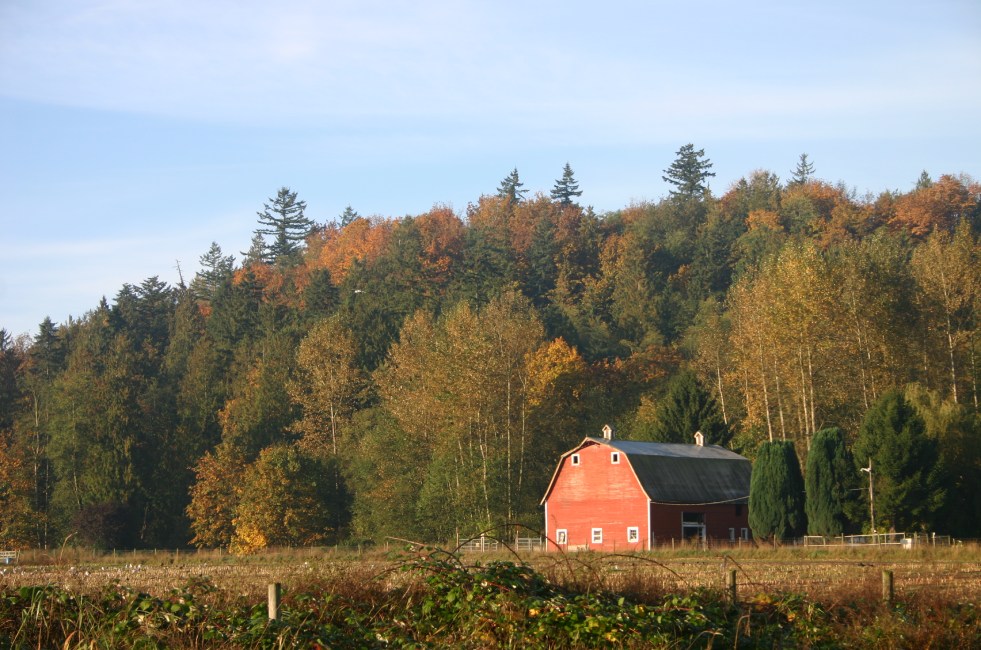
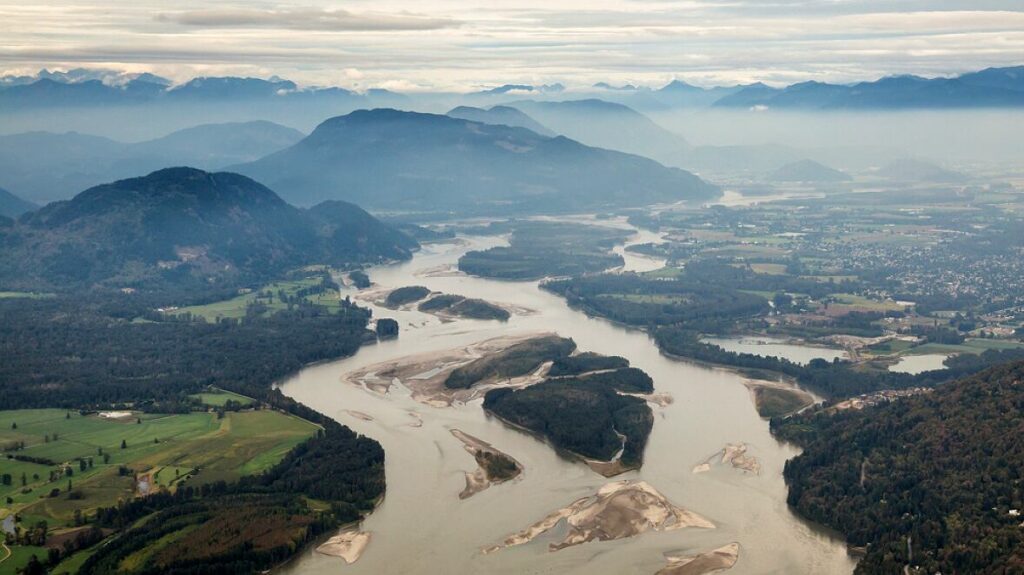
For many homeowners across the Fraser Valley, well water is the backbone of daily life. Acreage properties in communities like Langley, Abbotsford, Chilliwack, Maple Ridge and Mission often rely entirely on private wells for drinking water, irrigation, livestock, and household use.
But rural water systems require more than just a well and a pump. Properties with large homes, shops, gardens, greenhouses, or livestock often need proper water storage, pressure systems, and treatment solutions to ensure reliable water supply year-round.
Understanding how these components work together can help acreage owners avoid low pressure, pump burnout, water quality problems, and costly emergency repairs.
The Unique Water Challenges of Fraser Valley Acreage Properties
Rural properties in the Fraser Valley face water system demands that urban homes rarely experience.
Many acreage properties have:
- Multiple buildings (homes, barns, workshops, rental suites)
- Large irrigation demands for gardens, lawns, or crops
- Livestock watering systems
- Long underground water lines across large parcels
- Seasonal fluctuations in water usage
During the summer irrigation season especially, a single well pump may struggle to keep up with demand. This is where properly designed storage tanks and pressure systems become essential to maintaining consistent water flow across your property.
Why Water Storage Tanks Are Important for Acreage Wells
One of the most effective upgrades for rural well systems is adding a water storage tank (cistern).
Instead of relying solely on the well pump to meet immediate demand, the system fills a storage tank gradually and supplies water from the tank when needed.
Benefits of Installing a Storage Tank
- Protects your well pump: Pumps that constantly cycle on and off wear out faster. Storage tanks allow the pump to run less frequently but more efficiently.
- Handles peak water demand: Large households, irrigation systems, and livestock watering can exceed the flow rate of many wells. Storage tanks provide a buffer so water is always available.
- Supports low-yield wells: Some Fraser Valley wells produce water slowly but steadily. Storage tanks allow these wells to collect water over time.
- Emergency water reserve: In rural areas prone to power outages or system failures, stored water can keep your home running temporarily.
Storage tanks for acreage properties often range from 500 to 2,500 gallons, depending on household size and irrigation needs.
Pressure Systems: The Key to Consistent Water Flow
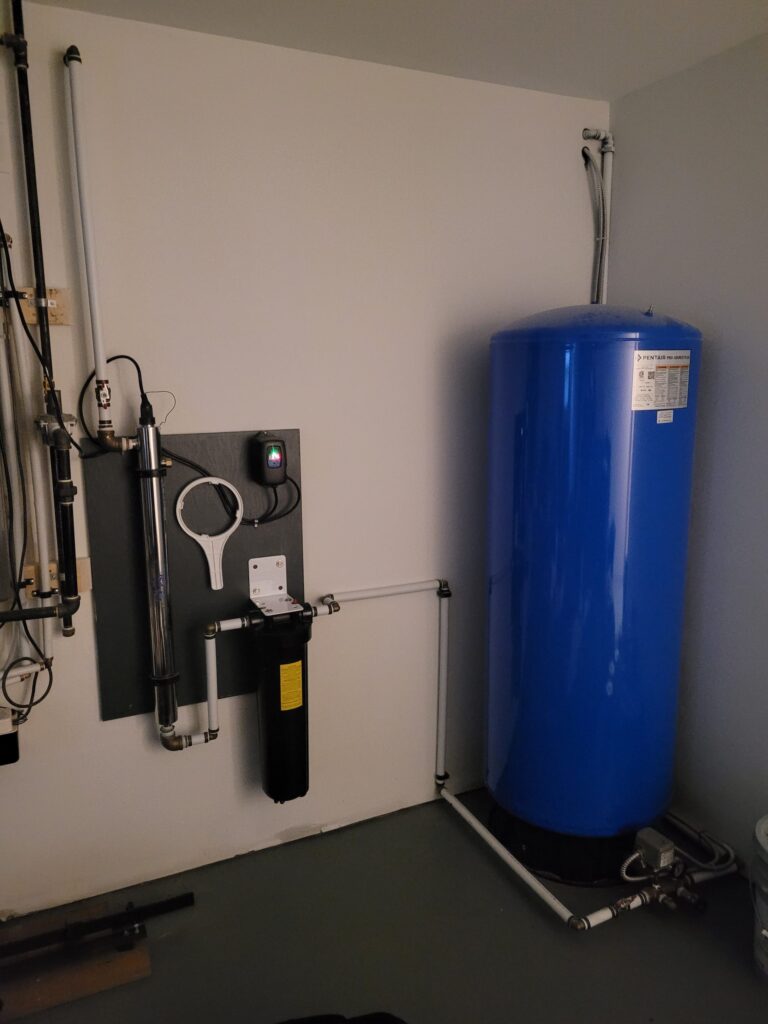
If you’ve ever turned on a tap and noticed fluctuating water pressure, the issue is often related to the pressure system, not the well itself. A well water pressure system typically includes:
- Pressure tank
- Pressure switch or electronic controller
- Booster or constant pressure pump (if needed)
Modern Constant Pressure Systems
Traditional pressure tanks cause pressure to fluctuate between high and low cycles. Many acreage owners are upgrading to constant pressure systems, which provide:
- Stable water pressure at every faucet
- Better performance for large homes
- Reduced pump cycling
- Improved compatibility with irrigation systems
For properties with multiple buildings or long pipe runs, a booster pump system may also be installed to maintain pressure throughout the property.
Water Treatment for Fraser Valley Well Water
Well water quality varies widely across the Fraser Valley depending on geology, agricultural activity, and well depth. Common water issues in the region include:
- Iron and manganese staining
- Hard water minerals
- Sulfur odours
- Sediment or turbidity
- Bacteria contamination
A properly designed whole-home water treatment system can protect both your health and your plumbing infrastructure.
Common Treatment Systems for Acreage Properties
Sediment Filtration Systems
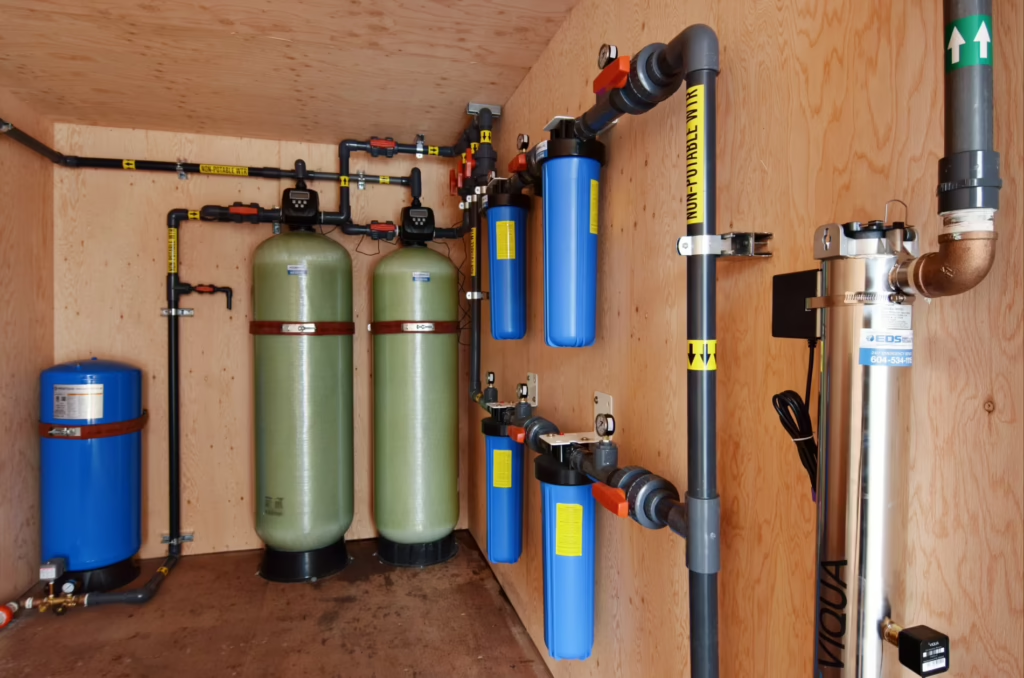
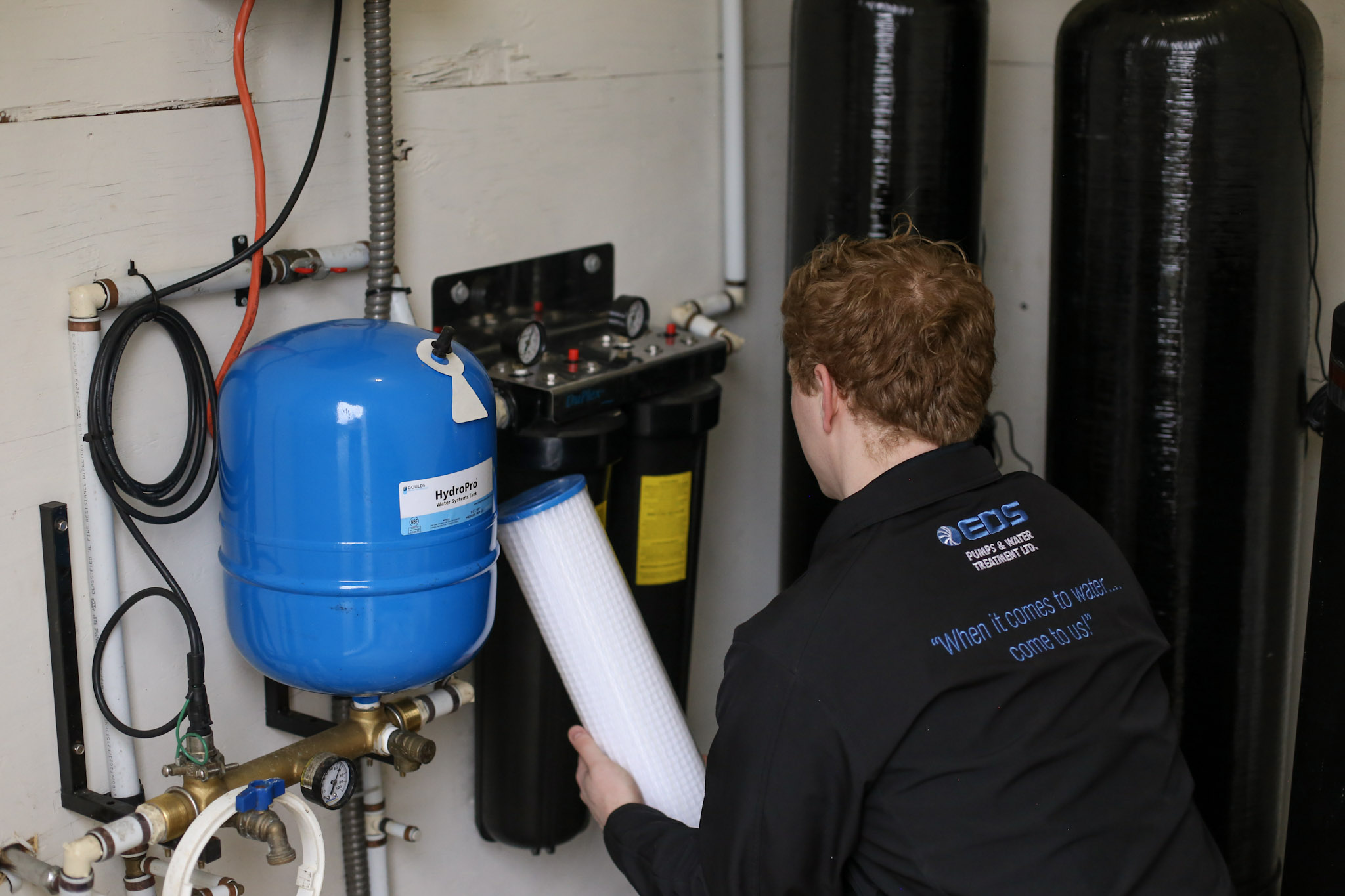
Sediment filtration removes sand, silt, and debris from well water, especially in areas with shallow wells or during seasonal groundwater movement.
Sediment filtration is usually the first stage of treatment, protecting downstream equipment and plumbing fixtures.
For acreage properties, sediment filtration may include:
- Large-capacity spin-down filters for sand and grit
- Cartridge filtration systems for finer particles
- Automatic backwashing sediment filters for higher volumes
Removing sediment helps prevent clogged fixtures, reduced water pressure, and damage to pumps and appliances. It also protects more sensitive treatment systems such as softeners and UV disinfection units.
Iron and Manganese Filtration
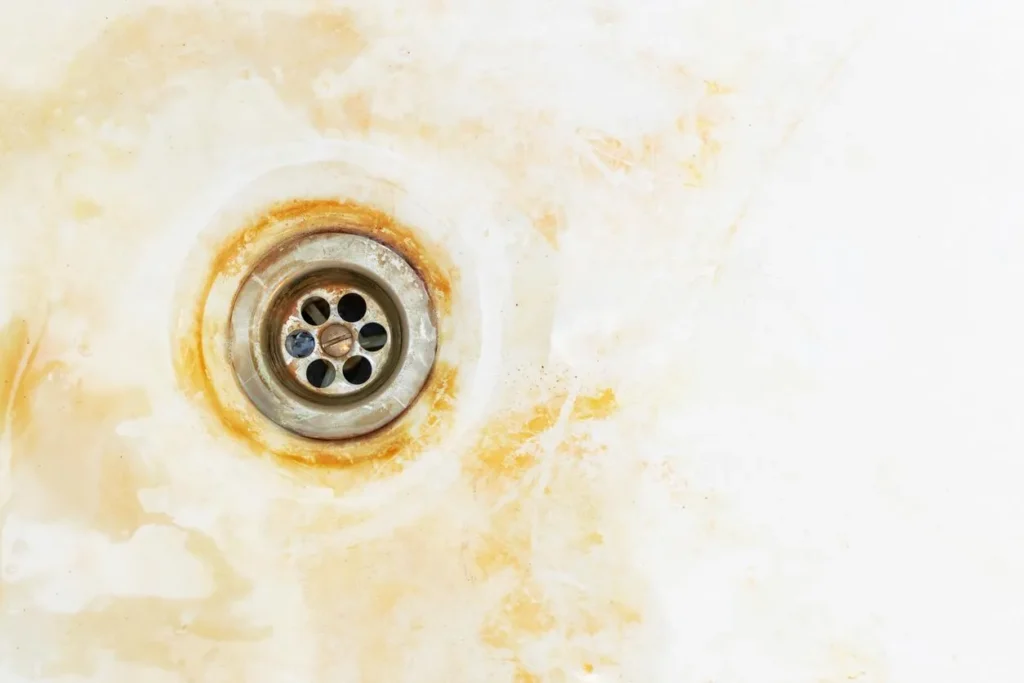
Iron filtration systems eliminate orange staining in sinks, tubs, and laundry, and eliminates metallic taste. These minerals are naturally present in groundwater and can cause several frustrating household problems.
Specialized iron filtration systems use oxidizing media or air-injection technology to remove dissolved minerals before they enter your plumbing system.
For many acreage homes, installing an iron filter can dramatically improve water clarity, taste, and reduce staining throughout the home.
Water Softeners for Hard Water
Water softeners reduce mineral buildup that damages pipes, appliances, and hot water tanks. Hard water contains high levels of calcium and magnesium minerals, which leave scale buildup.
Over time, this mineral scaling can reduce efficiency and shorten the lifespan of plumbing equipment.
A water softener works by exchanging hardness minerals with sodium or potassium through an ion-exchange process. Once installed, homeowners often notice immediate improvements such as:
- Better soap lather and cleaning performance
- Reduced mineral buildup on faucets and shower glass
- Longer lifespan for dishwashers, washing machines, and hot water tanks
- Softer skin and hair after showering
For large homes or properties with higher water usage, high-capacity softeners are typically recommended to handle greater flow rates.
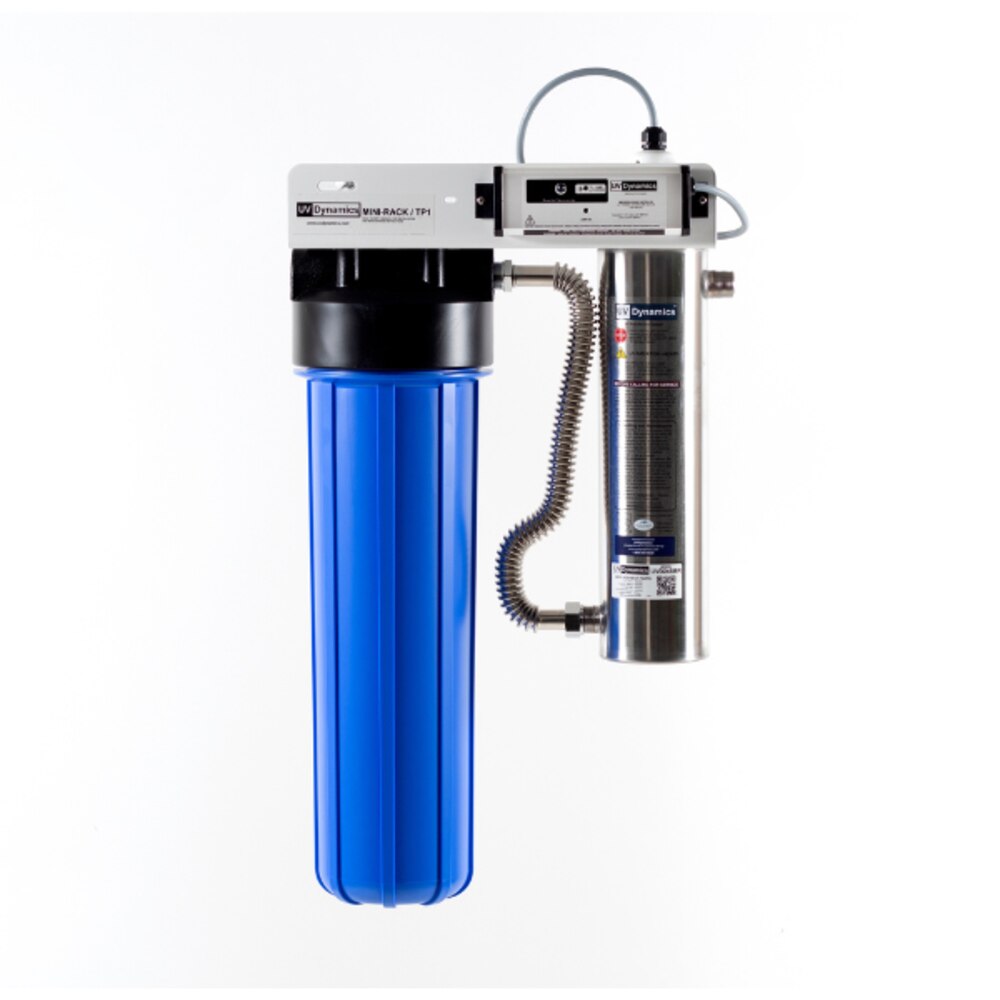
UV Disinfection Systems
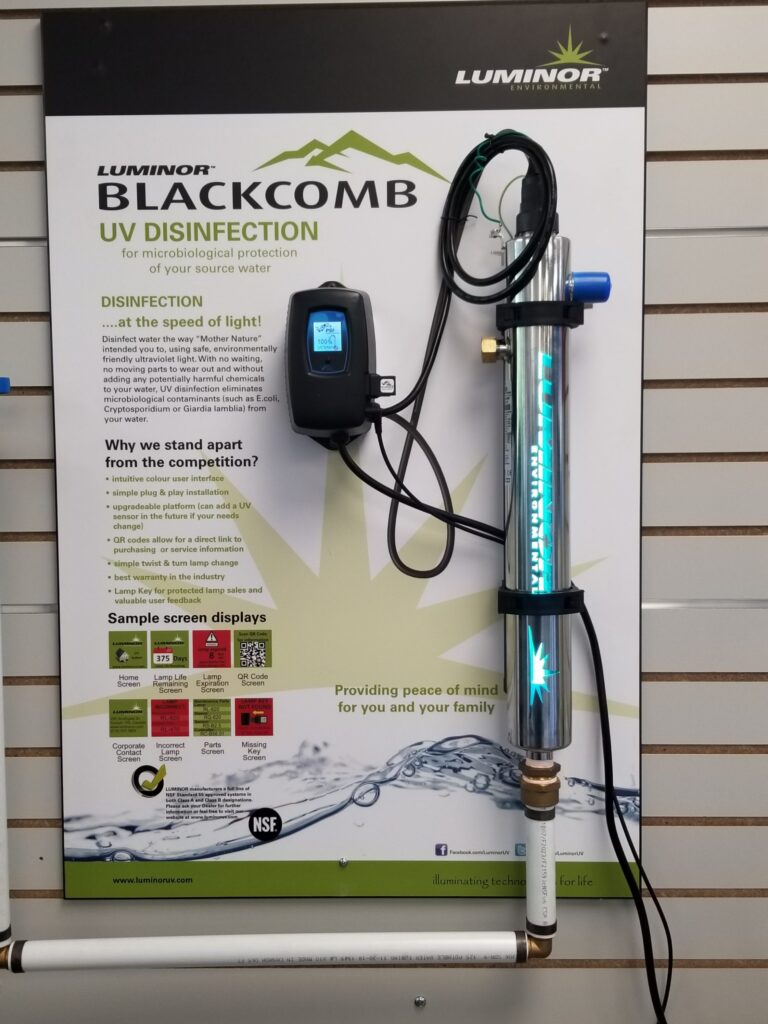
UV (ultraviolet) disinfection systems protect against bacteria and microorganisms commonly found in groundwater.
A UV disinfection system provides an additional layer of protection by neutralizing bacteria and microorganisms as water passes through the system.
UV treatment is commonly used to address concerns such as:
- Coliform bacteria
- E. coli contamination
- Other harmful microorganisms
UV systems are installed after filtration stages so the light can effectively penetrate the water. They require minimal maintenance and provide continuous protection for household drinking water.
Multi-Stage Treatment Systems for Acreage Homes
Many rural properties use multi-stage treatment systems to ensure clean, safe water throughout the home.
A typical well water treatment setup might include:
- Sediment filtration
- Iron filtration or oxidation system
- Water softener
- Activated carbon filtration
- UV disinfection
- Reverse osmosis drinking water system
This layered approach ensures that both water quality and plumbing infrastructure are protected, while also delivering clean, safe drinking water for the household.
For acreage properties with high water demand, properly sizing these systems is critical to maintaining good pressure and flow throughout the home.
Learn more on how to treat your well water from the Government of Canada: https://www.canada.ca/en/health-canada/services/environment/drinking-water/well/treat.html
Designing a Complete Well Water System
For acreage properties, a well system should be designed as an integrated water solution, not just individual parts added over time.
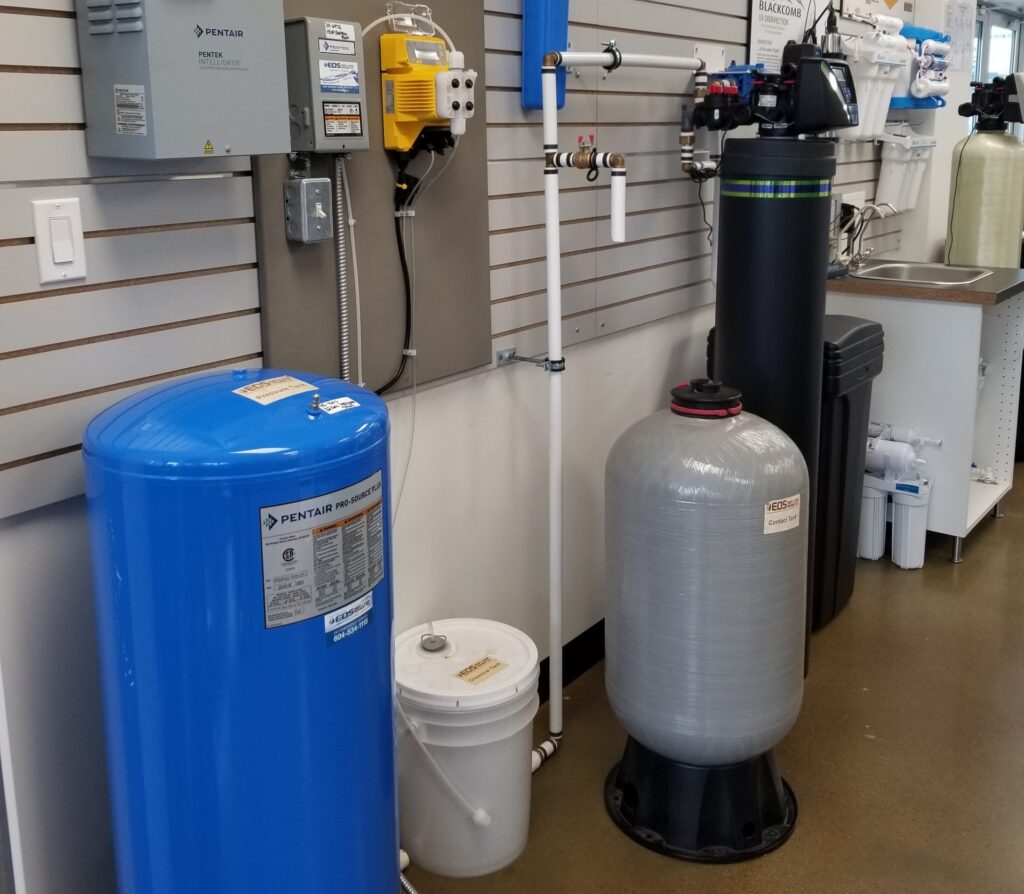
A typical rural water system may include:
- Submersible well pump
- Water storage tank or cistern
- Constant pressure pump system
- Pressure tank and controls
- Multi-stage filtration or treatment
- UV disinfection system
When properly designed, these components work together to deliver consistent water pressure, reliable supply, and safe drinking water year-round.
Professional Well Water Solutions in the Fraser Valley
Acreage water systems can become complex quickly, especially when balancing household use, irrigation demand, and water quality concerns.
Working with experienced water specialists ensures:
- Proper pump sizing for your well and demand
- Correct storage tank capacity
- Reliable pressure system design
- Water treatment tailored to your water chemistry
- Long-term protection for your well equipment
At EDS Pumps & Water Treatment, rural homeowners across the Fraser Valley rely on professional guidance for designing, installing, and servicing well water systems that meet the demands of acreage living.
Whether you’re upgrading an older well system or building on a new rural property, the right combination of storage, pressure, and treatment solutions can dramatically improve reliability and water quality.
Final Thoughts
Living on acreage in the Fraser Valley offers space, independence, and a strong connection to the land. But it also means managing your own water infrastructure.
By investing in the right water storage tanks, pressure systems, and treatment technology, rural property owners can ensure their well water system keeps up with the demands of modern acreage living.
A properly designed system not only improves daily convenience, it also protects your well, your plumbing, and your long-term water security.
Frequently Asked Questions About Well Water Systems
How big should a water storage tank be for an acreage property?
Most rural homes benefit from 500 to 2,500 gallon storage tanks, depending on household size, irrigation demand, and well recovery rate. Larger properties with livestock or extensive irrigation may require even larger cistern systems.
Why does my well water pressure fluctuate?
Pressure fluctuations are often caused by undersized pressure tanks, aging pressure switches, or pumps struggling to keep up with demand. Upgrading to a constant pressure system can provide consistent water pressure throughout the home.
Do all well systems need water treatment?
Not always, but many wells in the Fraser Valley contain iron, hardness minerals, sediment, or bacteria. A professional water test helps determine what filtration or treatment system is needed.
What are signs my well system needs upgrading?
Common warning signs include:
- Low or inconsistent water pressure
- Pump cycling on and off frequently
- Staining from iron or minerals
- Poor water taste or odour
- Pumps running constantly during irrigation
These symptoms often indicate the system needs better storage, pressure management, or water treatment.
Professional Well Water Solutions for Rural Homes
Designing a reliable well water system requires experience with pumps, pressure systems, water storage, and treatment technology. Rural properties often require customized solutions depending on well output, water quality, and household demand. Contact our team of Water Specialists today at water@edspumps.com or call (604) 534-1115.
EDS Pumps & Water Treatment helps Fraser Valley homeowners with:
- Well pump installation and replacement
- Water storage tank systems
- Constant pressure pump upgrades
- Whole-home water filtration systems
- Iron filters and water softeners
- UV disinfection systems
- Well system troubleshooting and servicing
If you’re experiencing low water pressure, poor water quality, or planning upgrades for your acreage property, a professional system assessment can help ensure your well water system runs efficiently for years to come.