Understanding Water Yield: Is Your Well Keeping Up With Demand?
If you’ve noticed lower water pressure, sputtering faucets, or your well pump running longer than usual, your well’s water yield may not be keeping up with your household’s demand.
For homeowners across Langley, South Surrey, Maple Ridge, Mission, and the Fraser Valley, understanding water yield is one of the most important aspects of maintaining a reliable private water system. As seasonal water demand increases and groundwater conditions change, even wells that have performed well for years can begin to show signs of strain.
What Is Water Yield?
Water yield refers to the amount of water your well can produce over a specific period of time, typically measured in gallons per minute (GPM) or litres per minute (LPM).
A well’s yield depends on several factors, including:
Groundwater availability in the aquifer
Seasonal precipitation and drought conditions
Well depth and construction
Pump performance
Natural geological conditions
A well with a high yield can replenish water quickly as it’s being used. A low-yield well may struggle to keep up during periods of heavy demand, causing water shortages or system stress.
Why Water Yield Matters
Many homeowners don’t think about their well’s production rate until they experience problems. However, understanding your well’s capacity can help prevent unexpected water outages and costly repairs.
Common household activities that place high demand on a well include:
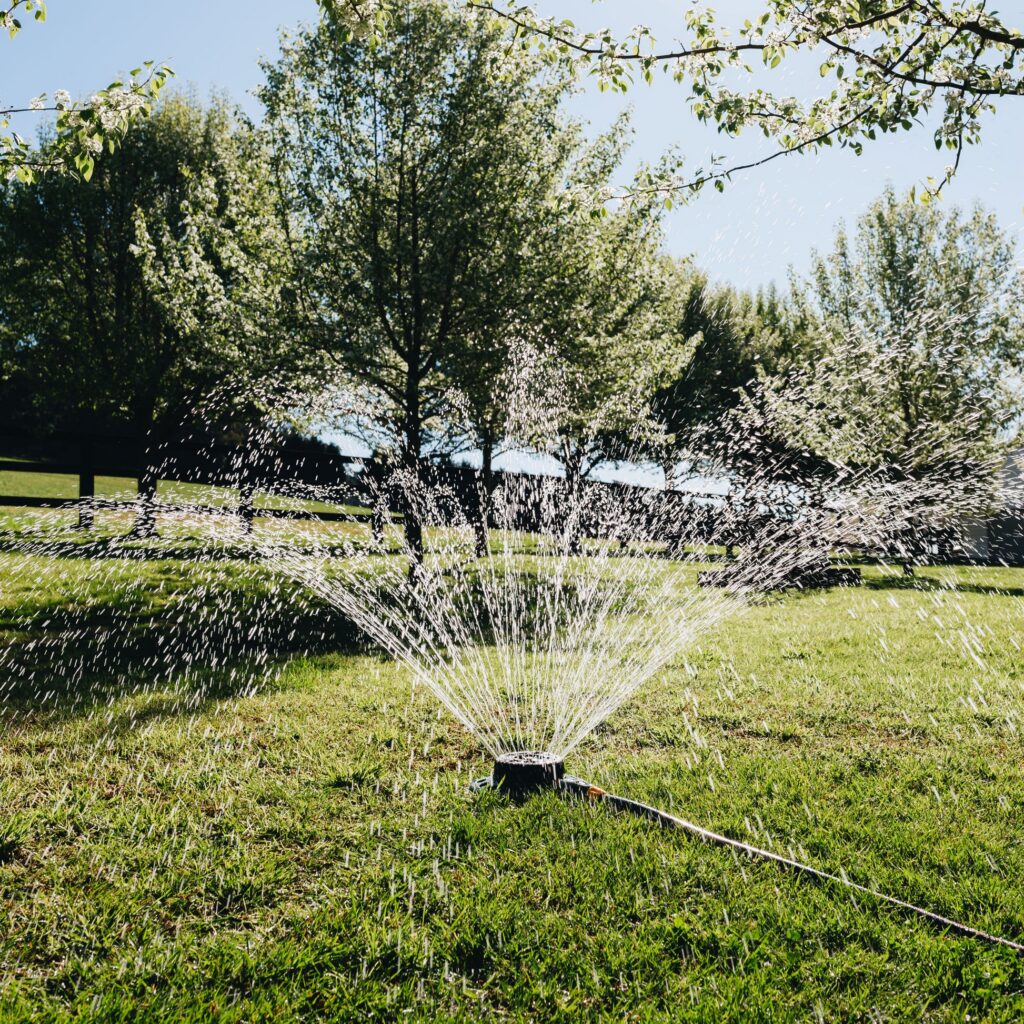
Lawn and garden irrigation
Filling swimming pools or hot tubs
Multiple showers running simultaneously
Laundry and dishwasher use
Increased occupancy from guests or growing families
As water demand increases during summer months, low-yield wells often become more noticeable.
Signs Your Well May Not Be Keeping Up
Your well system may be struggling to meet demand if you notice:
Reduced Water Pressure
A drop in water pressure can indicate that your well is not replenishing quickly enough or that your pump is working harder to maintain pressure.
Air in the Water Lines
If faucets sputter or spit air, your pump may be drawing water faster than the well can recover.
Dirty or Cloudy Water
Excessive pumping can disturb sediment at the bottom of the well, causing cloudy or dirty water.
Frequent Pump Cycling
A pump that turns on and off repeatedly may be reacting to inconsistent water availability.
Running Out of Water
The most obvious sign is when water stops flowing altogether during periods of heavy use. If you have no water at your home, contact EDS Pumps and Water Treatment for 24/7 emergency support.
Summer Can Put Extra Stress on Fraser Valley Wells
Across Langley, South Surrey, Maple Ridge, Mission, and surrounding areas, summer is often the most demanding season for private wells.
Longer dry periods, increased irrigation, agricultural water use, and growing populations can all contribute to declining groundwater levels. During extended drought conditions, some wells experience reduced production or slower recovery rates.
This is especially common for homeowners who have never had their well evaluated since moving into their property.
How Is Well Yield Tested?
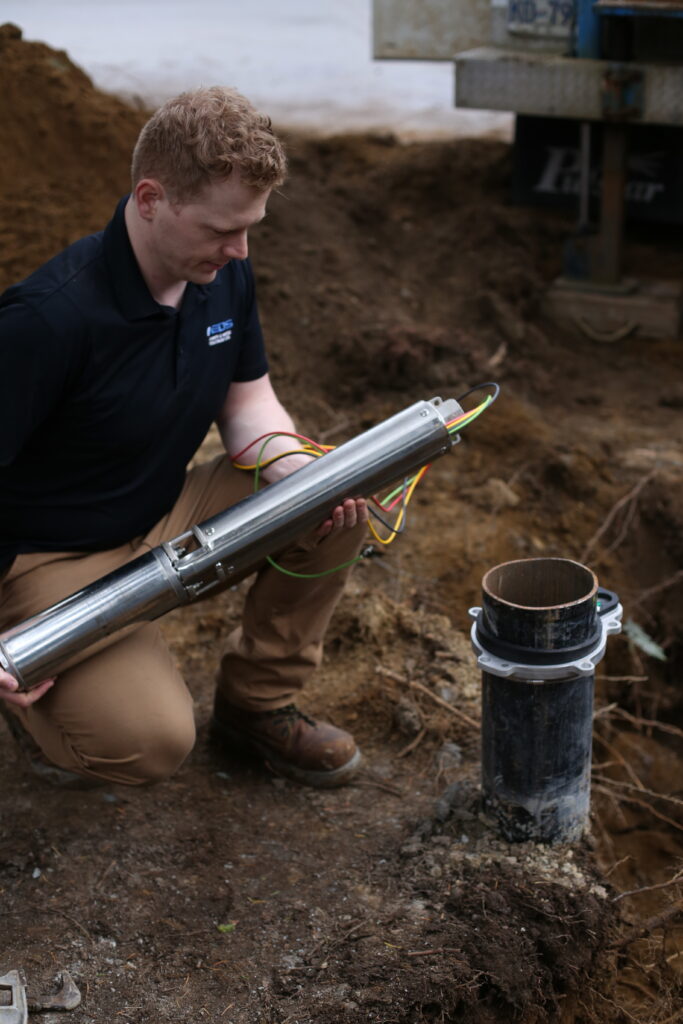
A professional well yield test measures how much water your well can produce and how quickly it recovers after pumping.
During a yield test, technicians typically:
Measure the static water level in the well.
Pump water at a controlled rate.
Monitor water level drawdown.
Measure recovery rates after pumping stops.
Evaluate overall well performance.
The results help determine whether your well can support current and future water demands.
Can Low Water Yield Be Improved?
In some cases, yes.
Depending on the cause, solutions may include:
Well Rehabilitation
Mineral buildup, sediment accumulation, or biological growth can restrict water flow into the well. Professional cleaning and rehabilitation may improve production.
Pump System Upgrades
An improperly sized or aging well pump can reduce system efficiency. Upgrading equipment may improve performance and water delivery. Check out our blog on choosing the right well pump for your property here.
Water Storage Solutions
For low-yield wells, adding a cistern or storage tank can provide additional water reserves during periods of peak demand.
Well Replacement
In some situations, drilling a new well may be the most effective long-term solution.
When Should You Schedule a Well Assessment?
Consider having your well evaluated if:
You’ve noticed a recent decrease in water pressure.
Your household water usage has increased.
Your property has experienced water shortages.
You are planning irrigation, landscaping, or home additions.
Your well has not been professionally assessed in several years.
Proactive testing can identify issues before they become emergencies.
Fraser Valley Well Services You Can Trust
At EDS Pumps & Water Treatment, we help homeowners throughout Langley, South Surrey, Maple Ridge, Mission, and the Fraser Valley understand the health and performance of their water systems.
Our experienced technicians provide:
Well water testing
Well inspections
Pump diagnostics and replacement
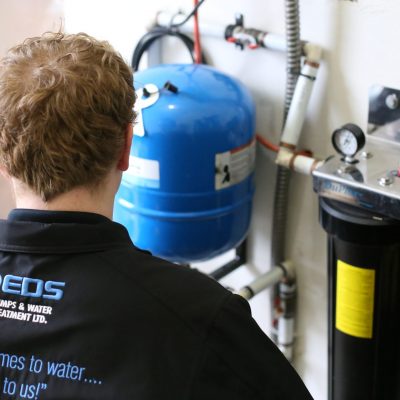
Pressure tank services
Water treatment solutions
Emergency well pump repairs
Whether you’re experiencing low water pressure or simply want to understand your well’s capacity, our team can help ensure your water system is ready to meet your family’s needs.
Book a Well Assessment Today
If you’re concerned that your well may not be keeping up with demand, don’t wait until you run out of water.
Contact EDS Pumps & Water Treatment today to schedule a professional well assessment and learn how your system is performing. Our team proudly serves Langley, South Surrey, Maple Ridge, Mission, Abbotsford, Chilliwack, and communities throughout the Fraser Valley.